You want a straight answer. Not a poem. Not a twenty-minute lecture about archetypes. Just: yes or no?
Yes or no tarot is one of the most searched formats on the planet for a reason. Life throws small forks at you all day. Should I text him? Should I take the offer? Should I book the flight? A tarot yes no pull feels like speed when your brain is tired of debating itself.
It can be useful. It can also lie to you in the most convincing way if you treat one card like a courtroom verdict. This guide covers the methods people actually use, the cards that usually lean yes or no, what a quick tarot answer cannot do, and how to shape a tarot prediction you can trust enough to act on.
What yes or no tarot is really for
A yes/no spread is not lazy tarot. It is focused tarot.
You are trading depth for direction. That trade makes sense when:
- the decision is small enough that a nudge helps
- you already know the facts and need a gut check
- you are stuck in a loop and want the deck to break it
It makes less sense when:
- the question hides a bigger fear you have not named
- you are asking the same yes/no question every hour
- the outcome depends on actions you have not taken yet
Tarot reads the field around a question. In a yes or no tarot pull, you are asking the field to collapse into one bit. Sometimes it will. Sometimes it will refuse, and that refusal is also data.
If your spreads keep sliding off the question, read when a tarot reading does not answer the question before you blame the deck.
Before you pull: tighten the question
"Should I do it?" is not a question. It is a mood.
Under almost every tarot yes no search there is a sharper line trying to get out:
- Should I accept this job offer by Friday?
- Is reaching out to my ex likely to reopen something healthy?
- Will this interview lead to a second round if I stay the course?
Name the it. Name the time frame. Name what yes would look like in real life.
Try swapping vague fear for one of these:
- "Is the path toward X open if I take the next obvious step?"
- "Is now the wise window for Y, or is patience the wiser read?"
- "What am I pretending not to know when I hunt for a yes?"
A tight question is the difference between a quick tarot answer that lands and a card that could mean twelve things. The guide on looking before you interpret applies here too. Describe what you see before you force a label on it.
Five yes or no methods that actually get used
You do not need a custom ritual. You need a rule you will follow before the card flips your mood.
1. One card, upright and reversed
The classic tarot yes no shortcut:
- Upright leans yes
- Reversed leans no
Simple. Fast. Easy to abuse.
Reversed does not always mean no. Some readers treat reversals as "blocked yes," "not yet," or "yes with friction." If you use this method, write your reversal rule once and keep it for the whole reading. Changing the rule mid-pull is how anxiety wins.
Pull once. Do not "clarify" until you have sat with the first answer for a few minutes.
2. One card, meaning first
Many readers skip reversal math and ask: what does this card do in plain life?
- The Sun, Ace of Pentacles, Two of Cups often read as open doors
- Ten of Swords, Five of Pentacles, The Tower often read as hard stops or painful endings
- The Moon, Seven of Cups, Two of Swords often read as unclear, not a clean no
This method respects symbolism more than mechanics. It is slower for a second. It ages better when the question is emotional.
3. Two cards: yes lane vs no lane
Shuffle with two piles in mind, or pull two cards in order:
- Yes energy (what supports a go)
- No energy (what supports a stop)
Compare weight, not score. A gentle yes card beside a loud no card is a "maybe, but listen to the warning." Two soft cards in tension is "not now."
This is a strong tarot prediction frame for job and love questions without building a huge spread. For career tone, pair this with will I get the job tarot. For love, see does he love me tarot cards. If the feelings are newer and you only want to know whether the attraction runs both ways, a does my crush like me tarot spread reads those early signs.
4. Three cards, majority vote
Pull three cards. Count how many lean yes, no, or muddy.
- three clear yes cards: strong go signal
- two yes, one hard no: go, but respect the friction card
- three muddled cards: your question is too vague or too early
This borrows structure from the three-card spread without pretending you need a full story spread. You are voting with archetypes.
5. Yes, no, maybe positions
Lay three positions on purpose:
- Yes (what says go)
- No (what says stop)
- Maybe (what is unknown or not ready)
Read the row as a sentence. Sometimes the middle card is the honest answer. "Maybe" is not a failure. It is often the most accurate quick tarot answer when timing or information is still forming.
For decisions between two options rather than a flat yes/no, the this or that comparison exercise may fit better than forcing a binary.
Cards that usually lean yes
No card is a permanent yes machine. Context still rules. In a one-card yes or no tarot pull, these often point toward go, openness, or success visible enough to trust:
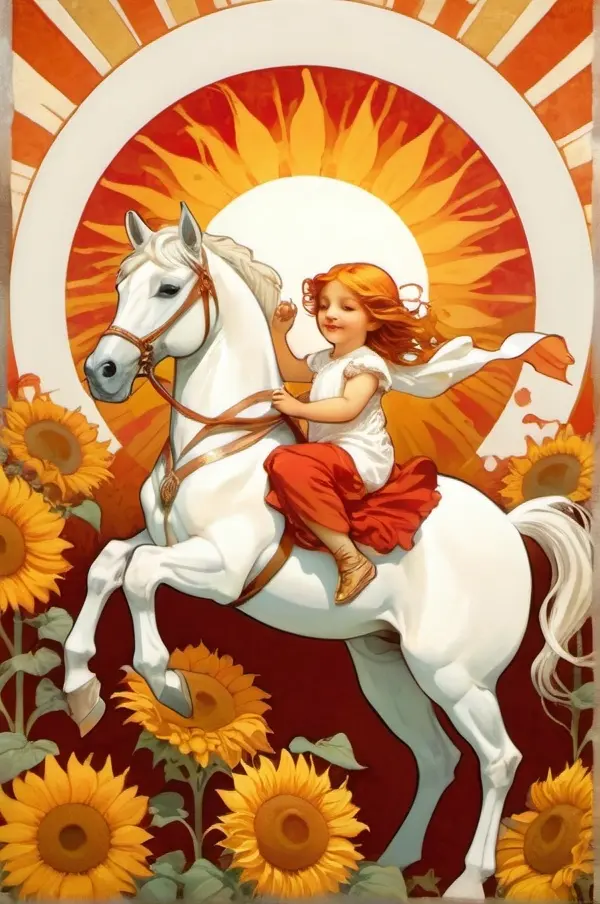
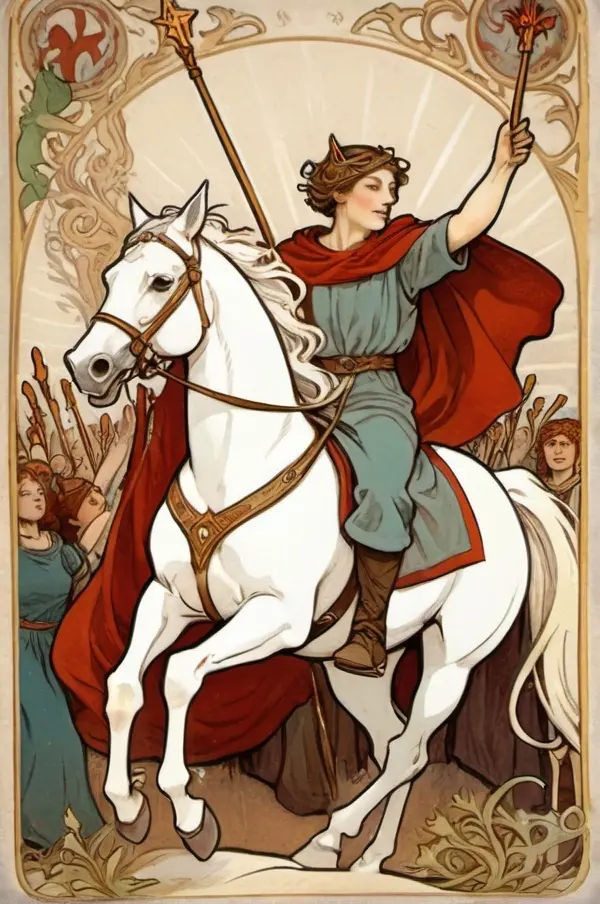
The Sun: clarity, warmth, outcomes that can be seen in daylight. One of the strongest yes cards when the question allows joy and simplicity.
The World: completion, arrival, a cycle closing in your favor. Yes to "is this phase finishing well?"
Ace of Wands: spark, initiative, a green light to start. Yes to action, not always yes to easy.
Ace of Cups: emotional opening, sincerity, a real beginning in feeling.
Ace of Pentacles: material opportunity, an offer lane, something workable on the table.
Two of Cups: mutual yes in relationship questions. The bond runs both ways, or can.
Six of Wands: public win, recognition, confidence rewarded. Strong yes in career and visibility pulls.
Nine of Cups: wish energy, satisfaction, "yes, and you will like how it feels."
The Star: hope with backbone, healing movement, a distant yes that is still real.
When you pull one of these in a tarot yes no reading, ask what yes would look like on a calendar. A yes card without a next step is still just a picture.
Cards that usually lean no
These cards are not curses. They are often protecting you from a bad yes.
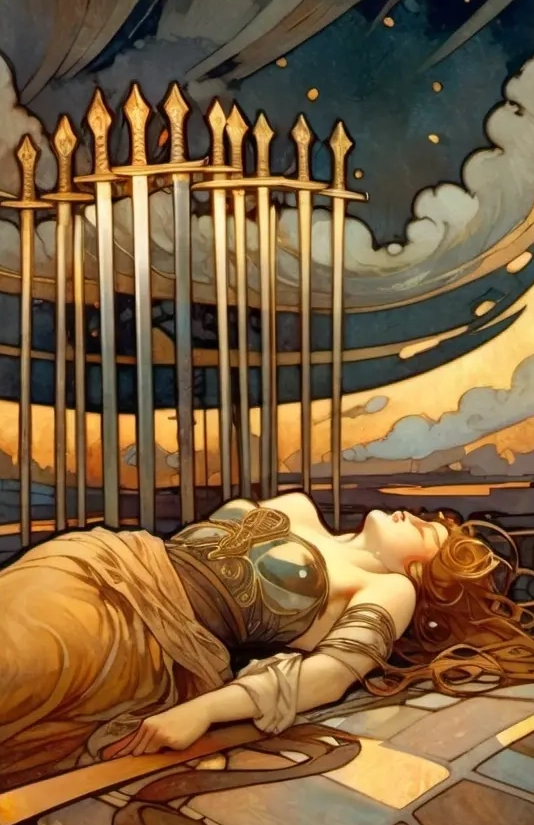
Ten of Swords: ending, bottom, something over. Hard no to "will this painful thing keep going the same way?"
Five of Cups: grief, fixation on loss, not ready to receive. No or "not while you are staring only at the spill."
Five of Pentacles: exclusion, hardship, feeling left out in the cold. No to "am I safe and included here?"
Three of Swords: heartbreak, sharp truth, pain that must be named. No to "is this harmless?"
The Tower: sudden break, false structure falling. No to "will everything stay stable if I pretend?"
Eight of Cups: walking away on purpose. No to staying, yes to dignity in leaving.
Four of Cups: apathy, disengagement, an offer ignored. No to "are they leaning in?"
Seven of Swords: deception, shortcuts, something not clean. No to "is this fully honest?"
A no-leaning card in a tarot prediction spread is not permission to panic. It is a prompt to change strategy, timing, or the question itself.
Cards that refuse a clean yes or no
Some cards are why experienced readers roll their eyes at rigid tarot yes no rules.
The Moon: illusion, fear, incomplete information. Answer: not yet, or you cannot see clearly now.
Seven of Cups: many options, fantasy, scattered desire. Answer: maybe, but sort the choices first.
Two of Swords: stalemate, blocked choice, peace bought by avoidance. Answer: neither yes nor no until you face the standoff.
The Hanged Man: pause, surrender, a different angle. Answer: wait.
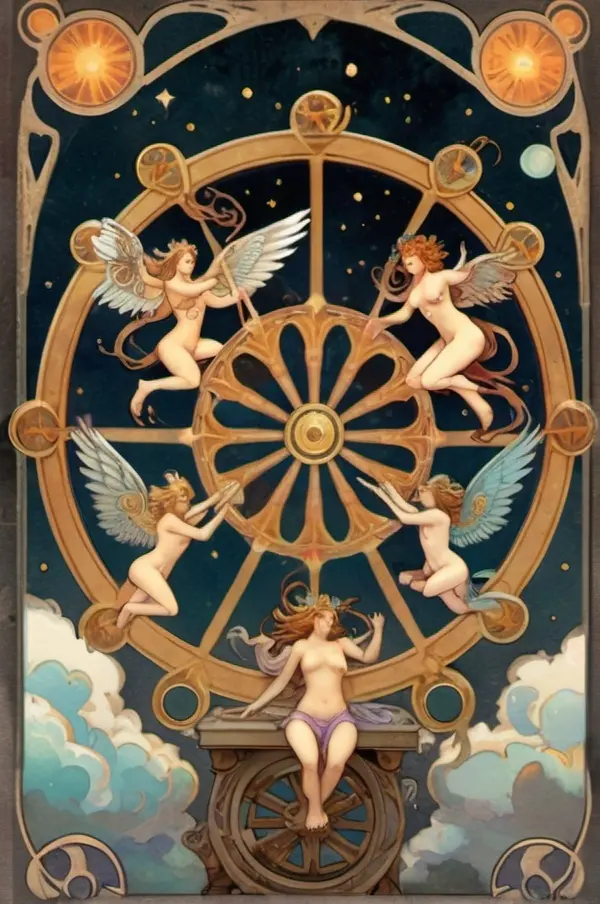
Wheel of Fortune: cycles, luck, timing. Answer: it could flip. Check the season, not only the moment.
When these show up, resist yanking them into a binary. Upgrade the question or switch to a three-card layout from three-card decision patterns.

Limits of a quick tarot answer
A quick tarot answer is a compass needle, not a contract. That matters most with health questions. A pregnancy tarot reading can hold the hope and fear of a wait, but no yes card replaces a test or a doctor.
Tarot cannot:
- override facts you already have (if they ghosted for six months, the spread is not a revival button)
- replace conversations you are avoiding
- guarantee timing down to the hour unless you treat timing as tendency, not calendar law
- stay honest if you keep re-pulling until you like the picture
Tarot can:
- show which fear is driving the question
- name whether the energy is moving toward or away
- break a tie when two choices look equal on paper
- give you enough clarity to take one small next step
The discipline is the same in love, work, and money. Compare the card to behavior. If you asked is he thinking about me tarot and pulled a bright yes while he never initiates contact, trust the silence until it changes.
Better questions than a flat yes or no
Sometimes the best yes or no tarot session ends with a better question.
Instead of "Should I text him?" try:
- "What happens if I reach out from calm instead of panic?"
- "What is the wisest timing for contact?"
Instead of "Will I get the job?" try:
- "What in my control most improves my odds before the decision?"
- "If the answer is no, what door is actually opening?"
Instead of "Should I move?" try:
- "What would make this move feel aligned six months from now?"
- "What am I running toward vs running from?"
Binary questions are seductive. Open questions build lives. Use yes/no when you need a gate. Use story spreads when you need a map.
A simple yes or no spread you can repeat
When you want a tarot prediction without a novel, pull four cards:
- Core answer (yes / no / maybe lean)
- What supports a yes
- What supports a no
- Your wisest next step
Read card one as tone, not decree. Read cards two and three as the real teaching. Read card four as the only part that must become action.
Write one sentence after the pull: "If I believed this spread for one week, what would I do differently on Tuesday?" That sentence is where tarot turns into life.
Practice without spiraling
Yes or no tarot goes wrong when it becomes a slot machine.
Pull once per question per day, or per week for big decisions. Breathe before you click again. If you are chasing contact, closure, or proof, the deck is not the missing tool. Your ground is.
TarotGo is built for short, repeatable practice: one-card pulls, clear card pages you can study, and spreads you can return to when you are calm enough to read honestly. Use a quick tarot answer when you want direction. Use the full meaning when you want wisdom. Both belong in the same practice.
A yes can still cost you. A no can still save you. Let the cards narrow the field. Then let your choices finish the sentence.