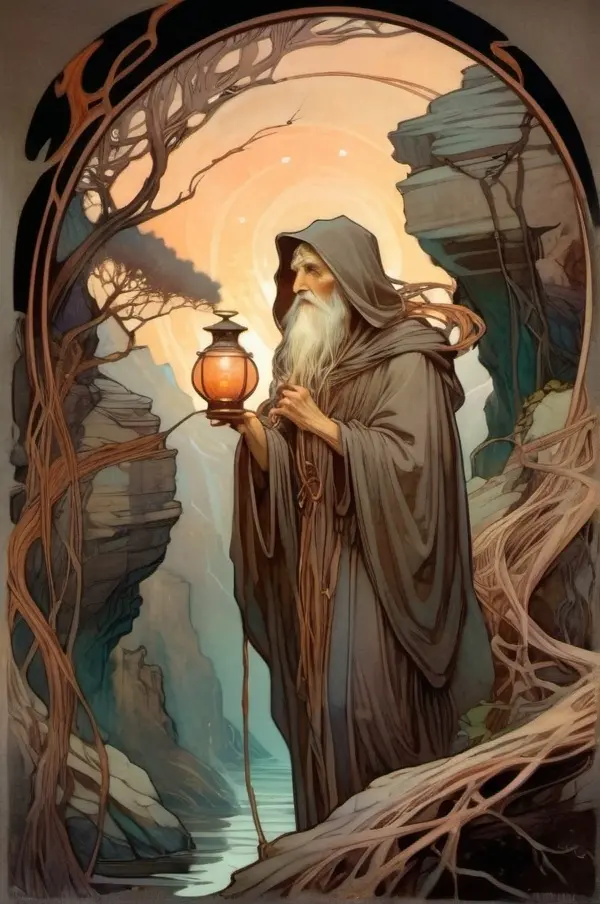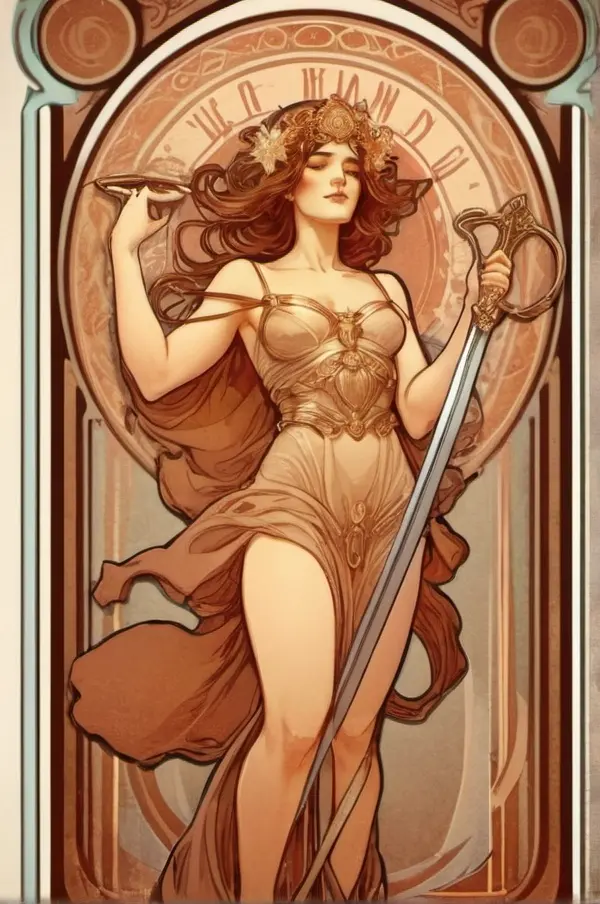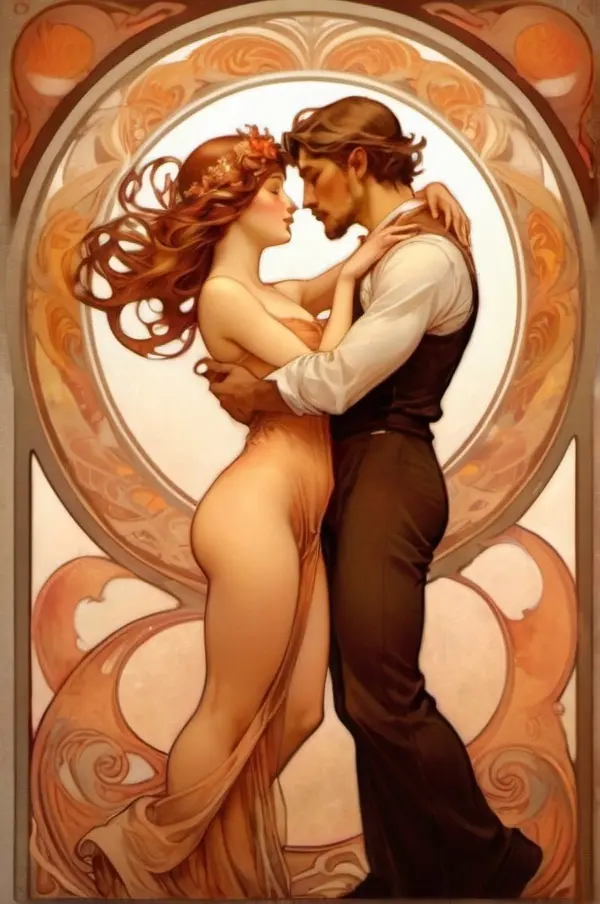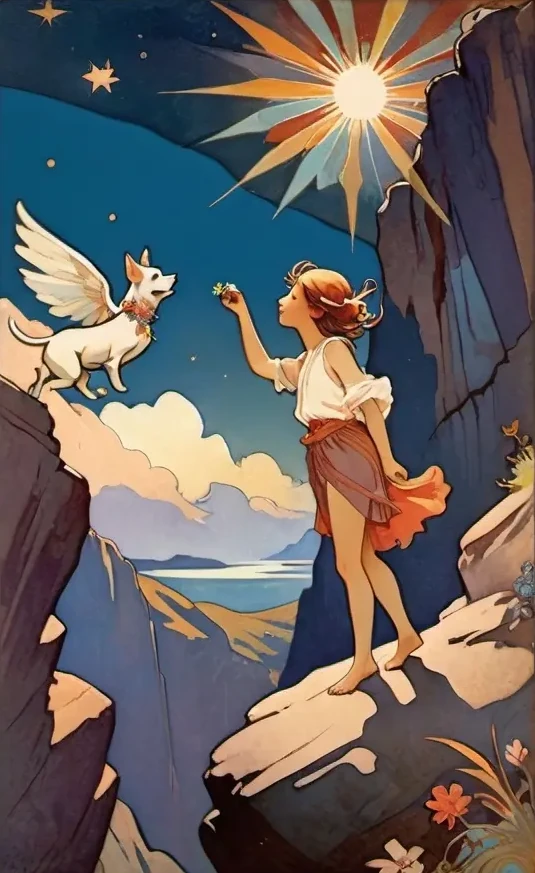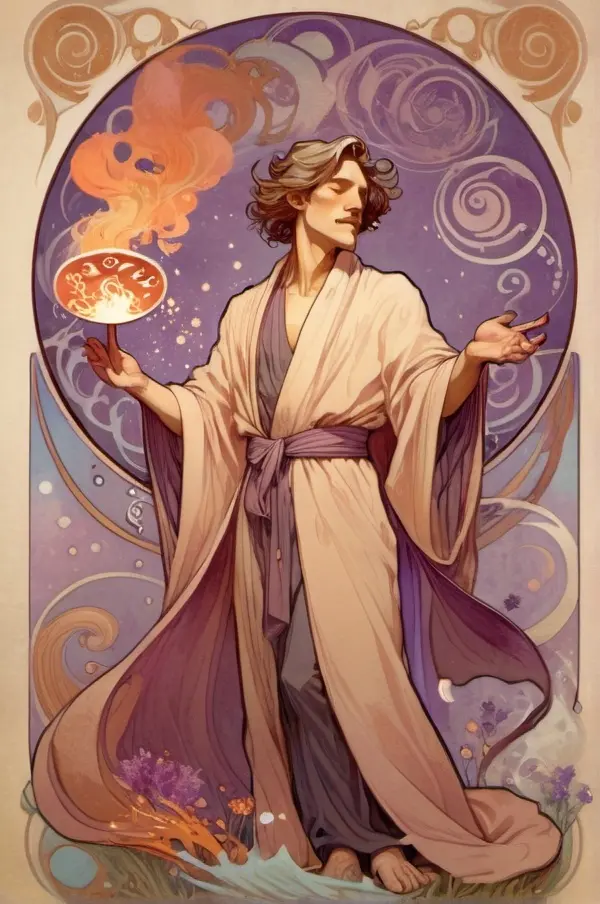
A three card tarot spread is the layout most people learn first, and for good reason. Three positions are enough to tell a story without drowning you in detail. You can map time, weigh a choice, or name what sits between you and someone else. The spread stays small on the table. The reading only works when each slot has a real job.
This tarot spread guide covers the classic past present future tarot row, other layouts that use the same three seats, and when three cards beat a single pull or a big Celtic Cross. For ready-made layouts beyond these, browse 3 card tarot spread ideas, and for a choice between real options use the tarot spread for decision making.
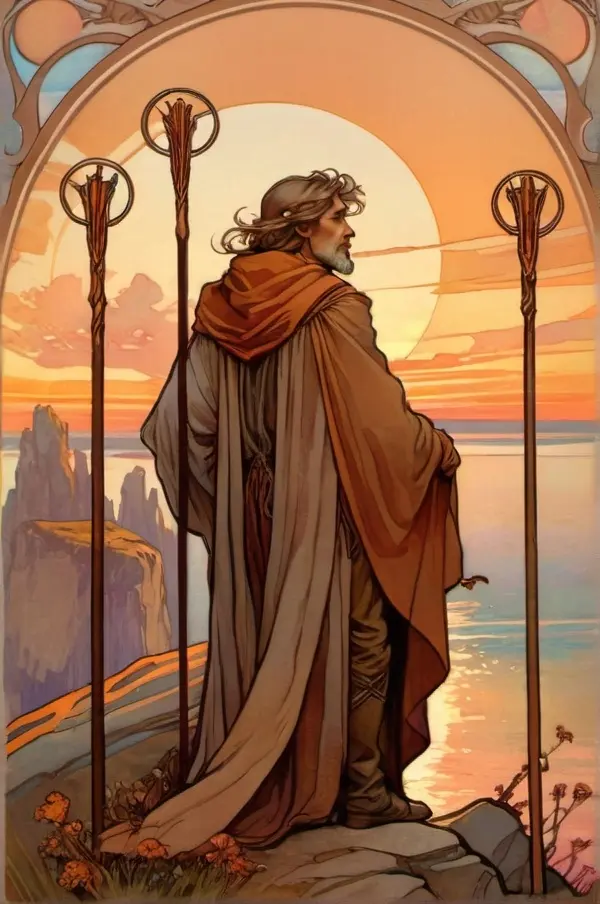
What a three card tarot spread actually is
A spread is a set of labeled positions. You shuffle, pull one card per label, then read the row as a conversation. In a three card tarot spread, each draw answers a different part of the same question.
That sounds obvious. Most blurry readings come from skipping the labels. People shuffle, lay three cards left to right, and then ask "what does this mean?" without deciding whether card two is now, the obstacle, or the price of option B.
The fix is boring and effective. Write the three jobs on paper. Pull once. Read in order.
Three cards train skills you will use in every spread later: naming positions, describing images before keywords, and letting cards talk to each other. If you are new to the deck, pair this guide with tarot card meanings so you have language for what you see, not only what a book says.
The classic past present future tarot layout
The most searched frame for a three card tarot spread is past present future tarot. Card one names what came before. Card two names what is active now. Card three names where the thread is heading, or what wants to emerge next.
How to lay it out
Most readers use a horizontal row, left to right:
- Past (roots, background, what already happened)
- Present (the live energy, the choice point, what you are inside)
- Future (likely direction, next chapter, what grows from the row)
Some people read top to bottom on a phone screen. The order matters more than the furniture. Pick one sequence and stick to it for the reading.
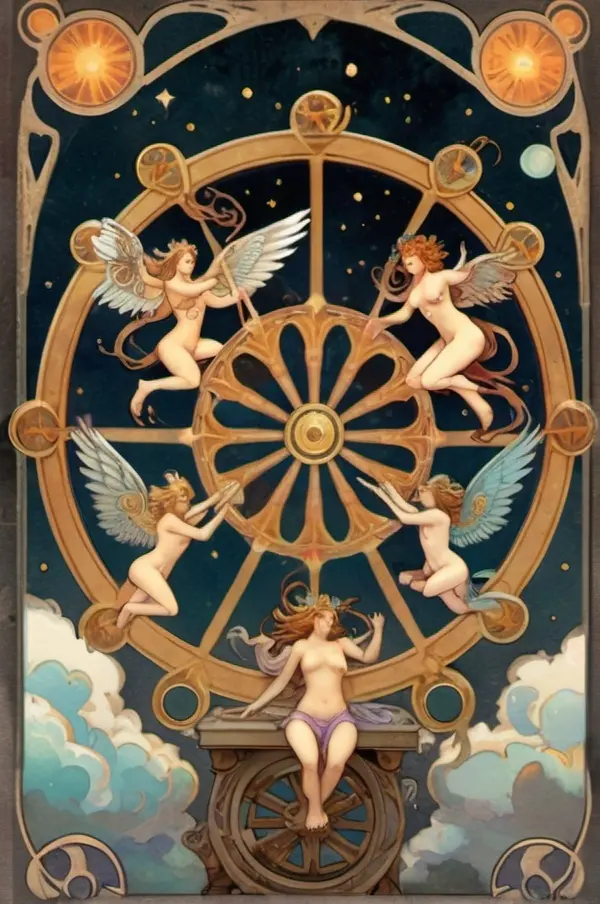
Reading past present future without fortune-telling
Past present future tarot is not a promise that card three will happen exactly as drawn. It is a story map. Card one shows what the situation is still carrying. Card two shows what is true in the room right now. Card three shows the tone or pressure of what comes next if the row stays on this track.
Example: you ask about a job change.
- Past: Eight of Pentacles might name years of craft, repetition, skills built on the bench.
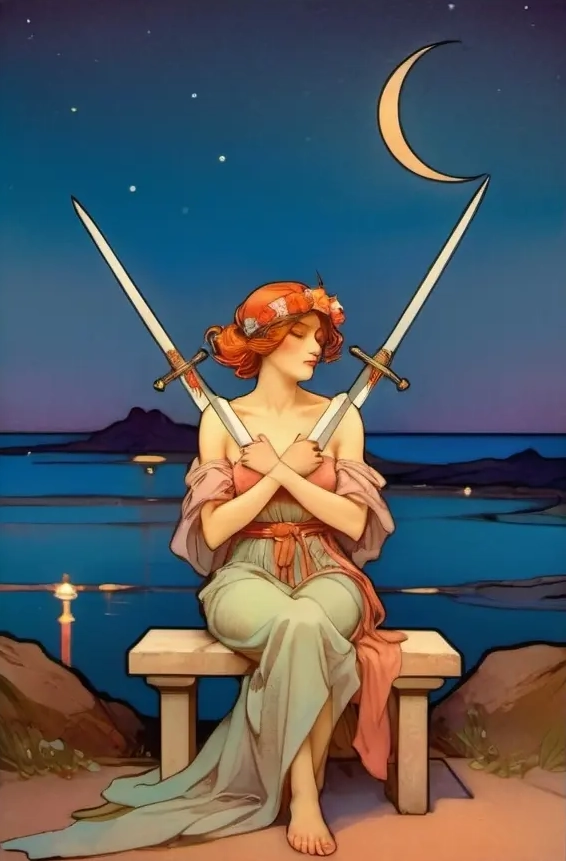
- Present: Two of Swords might name a stalemate, two options held in balance, a decision not yet made.
- Future: The Chariot might point toward directed motion once you choose a lane.
Read the middle card as the hinge. Present is where your leverage lives. If present is all swords and future is all wands, the story may be "once you stop debating, movement returns." If present is cups and future is pentacles, the story may be "feelings first, then practical building."
Write one sentence that links all three: "Because X led here, and Y is true now, Z is the pressure ahead." That sentence is the reading.
When past present future is the wrong frame
Past present future tarot fits reflection and trajectory. It fits poorly when you need a yes-or-no, a price comparison between three real options, or a calendar window. For those jobs, swap the labels. The guide to decision-making tarot spreads covers when to decide and how to weigh real options without suit gimmicks.
If your question is only "what do I need today," a daily tarot reading with one card may be cleaner than forcing a timeline you do not need.
Other three-card layouts worth knowing
The three card tarot spread is a family of layouts, not one recipe. Same number of cards. Different questions. These are the frames people return to once past-present-future starts to feel automatic.
Situation, action, outcome
- Situation: what is true around the question
- Action: what helps, what to try, what stance to take
- Outcome: where that action tends to lead (not a sealed fate)
This layout suits practical problems: a hard email, a conversation you keep postponing, a project stuck midstream. Outcome is "if you move this way," not "the universe has decided."
The Fool in the action seat might mean a first step before you have every guarantee. Temperance in outcome might mean mixed results that still work if you pace them.
Mind, body, spirit
- Mind: thoughts, beliefs, the story you tell
- Body: energy, health signals, what the nervous system is doing
- Spirit: meaning, values, what feels aligned beyond the immediate mood
Use this when you feel "off" but cannot name why. It is a check-in spread, not a drama spread. The High Priestess in mind with pentacles in body might say your intuition is ahead of your schedule. Pull once, journal, stop.
You, them, between
- You
- The other (person, employer, house, situation)
- What sits between you
Classic for love and work contact questions. Two of Cups on the canvas does not prove mutual love. It names meeting energy that may or may not match behavior. Read the middle card on purpose. It often carries the real answer.
If you want more layouts in the same spirit, the collection of three card tarot spreads groups about twenty of them by topic.
Problem, advice, likely result
- Problem: the knot as the deck sees it
- Advice: the stance or move that respects the row
- Likely result: what tends to follow if you take that advice
Good when you already know something hurts and you want direction without a ten-card marathon.
Thesis, antithesis, synthesis
A slightly academic name for a useful spread:
- Thesis: the position you are leaning toward
- Antithesis: the counterweight, the cost, the voice you are ignoring
- Synthesis: the workable middle, or the third path
Helpful for decisions where you keep flipping between two extremes. The third card is not always compromise. Sometimes it is "walk away entirely."
Physical layouts: row, triangle, and vertical
Positions are meaning. Layout is optional theater. Still, how cards sit on the cloth can help you remember the read.
Horizontal row (left to right): default for past present future tarot and for comparing three options side by side. Easy on mobile. Easy in photos.
Vertical stack (top to bottom): some readers put past on top, present in the middle, future at the bottom, like a timeline sinking into the earth. Others put mind on top and body below. Pick a direction and keep it consistent.
Triangle: one card at the top (often outcome or future), two cards forming the base (past and present, or you and them with outcome above). Triangles emphasize that the top card grows from the base pair. Read the base first, then the apex.
Line with a clarifier: not a fourth position in the spread. If one card is muddy, pull one clarifier for that seat only, then stop. More on that habit in when a tarot reading does not answer the question.
When to use a three card tarot spread
Three cards hit a sweet spot. One card is a snapshot. Ten cards are a novel. Three is a short story.
Reach for a three card tarot spread when:
- the question has a clear arc (how did we get here, what is true now, what is next)
- you are weighing two or three real options with labels you can defend
- you want more nuance than a daily tarot card but less weight than a big relationship or career layout
- you are practicing reading cards in relation, not as isolated dictionary entries
Consider one card instead when:
- you want a morning tone check
- you are spiraling and need a single mirror, not a plot
Consider more than three when:
- the question involves many stakeholders, long timelines, or hidden factors you refuse to name in three slots
- you are doing a dedicated love tarot reading or career tarot reading and the topic will not shrink
Even then, many readers start with three cards to find the real question, then add positions only if the story demands it. When it does, the ten-position Celtic Cross tarot spread is the usual next step up.
Step-by-step tarot spread guide
This is the workflow behind every layout in this tarot spread guide.
1. Write the question in one line
Bad: "Tell me about my life." Better: "What do I need to understand about this job offer before I reply?"
If you cannot write one line, you are not ready to pull. Sit with the question. Rename it until it is slightly embarrassing in its honesty.
2. Choose three positions that match the question
Match labels to intent. Past present future tarot for trajectory. Situation-action-outcome for a stuck project. You-them-between for contact questions.
Write the labels on paper or in a notes app. Do not improvise positions after the cards land. That is how The Death becomes "something will die" in every reading.
3. Shuffle and pull once
Shuffle until your hands say stop. Pull one card per position. No second pass because you dislike card two.
Reversed cards are optional. If you use them, decide before you pull. If you do not, stay upright and read the image.
4. Describe before you interpret
Look at each card like a stranger would. Who faces forward? What is large in the frame? What is missing?
The guide on looking before you interpret applies here. Keywords come after description. In a three card tarot spread, description is what stops you from repeating the same three adjectives for every pull.
5. Read in order, then read the relationships
Read card one in its seat. Then card two. Then card three. After that, step back.
- Do two cards share a suit or element?
- Does one major arcana dominate the row?
- Does the middle card bridge the outer two or cut between them?
Death followed by Ace of Pentacles often reads as an ending that opens material ground, not as random doom plus luck. The story is in the sequence.
6. Write one takeaway and one action
End every three-card read with:
- one sentence summary
- one small action you can take this week
Tarot that does not touch behavior is wallpaper. The action can be tiny: send the email, cancel the date, sleep before you text.
Reversed cards, clarifiers, and repeat pulls
Three cards are enough. Discipline is what makes them enough.
Reversed cards: if you read reversals, treat them as inward, blocked, or delayed expressions of the same image, not as opposite English words. If you are new, skip reversals for a month. Learn upright stories first.
Clarifiers: one card maximum, tied to one muddy seat. Pulling until the deck flatters you is not a spread. It is anxiety with scenery.
Repeat pulls: asking the same question six times in an hour trains panic, not intuition. If you need a yes-or-no frame with tighter rules, see yes or no tarot. Then return to three-card work when you want story, not a verdict vending machine.
Common mistakes in past present future tarot
Even experienced readers slip here. Naming the slip helps.
Treating future as fixed. Card three is a direction, not a contract. Present is where you steer.
Skipping present. People rush from past wounds to future hope. The middle card is usually the advice hiding in plain sight.
Using vague time. If past means "everything before today" and future means "someday," the spread will blur. Narrow the windows when you can. Past might mean "since the breakup." Future might mean "the next three months."
Ignoring suit and element patterns. Three swords in a row feel different from three cups. You do not need a formula. Notice repetition.
Forcing love or career spreads into past-present-future when the question is comparative. "Which offer should I take?" wants three labeled offers, not a timeline. The tarot spread for decision making guide shows how to label real choices.
Three cards for love, work, and general life
The same three card tarot spread skeleton adapts across topics. Only the labels change.
Love: heart / bond / wisest next step. Or you / them / between. Deeper relationship spreads exist, but three cards often answer the question you actually typed at 11 p.m. For a longer love tarot reading frame, see love tarot reading.
Work: skills in play / obstacle or opportunity / next move. Or application / employer / fit between. Career crossroads get their own language in career tarot reading.
General: situation / lesson / application. Good when you do not have a category. You are human before you are a job title or a relationship status.

Building a practice around the three card row
The three card tarot spread is a gym for your eyes. Pull three cards once a week with the same labels. Change only the question. After a month, you will notice how you rush to keywords, which seat you fear, and which layouts match which moods.
If you want a free, low-pressure place to rehearse positions, free tarot reading habits apply: one clear frame, one pull, one written sentence. The tool matters less than the repetition.
When three cards start to feel easy, that is not a signal to always add more cards. It is a signal to write sharper questions. The spread grows through the question, not through seat count.
Go deeper when the row needs more than labels
This tarot spread guide is the wide map. When you are ready to bolt specific jobs onto the three seats, pick a layout from these 3 card tarot spread ideas or, for a real choice, the decision-making spreads.
Start with past present future tarot until the row feels familiar. Then swap labels for the question in front of you. Three cards are not "beginner tarot." They are the format where you learn whether you can hold a question still long enough for the deck to answer it.
TarotGo is built for that kind of practice: short spreads, clear positions, and room to return when you are calm enough to read honestly. Lay three cards. Name the seats. Let the story be small enough to finish in one sitting, and real enough to change what you do on Tuesday.