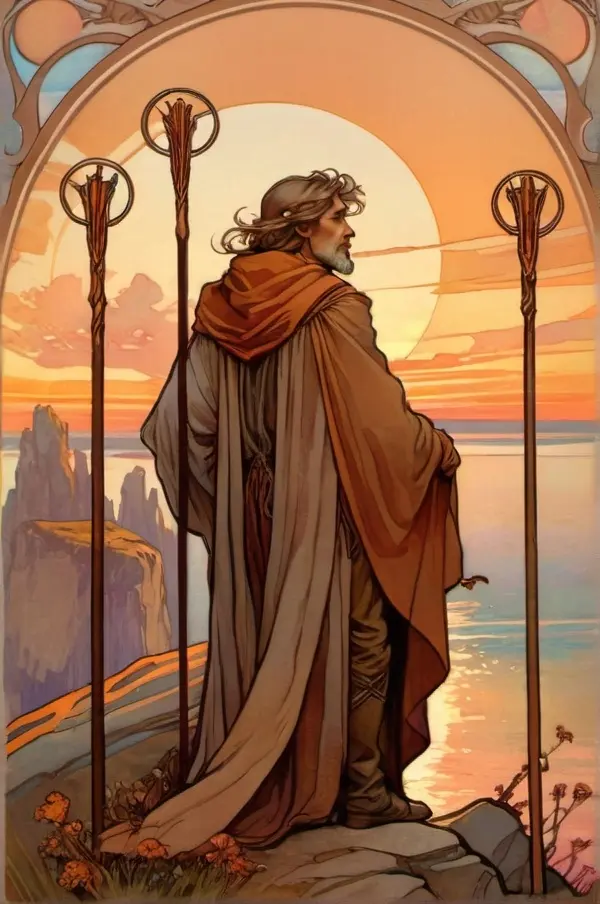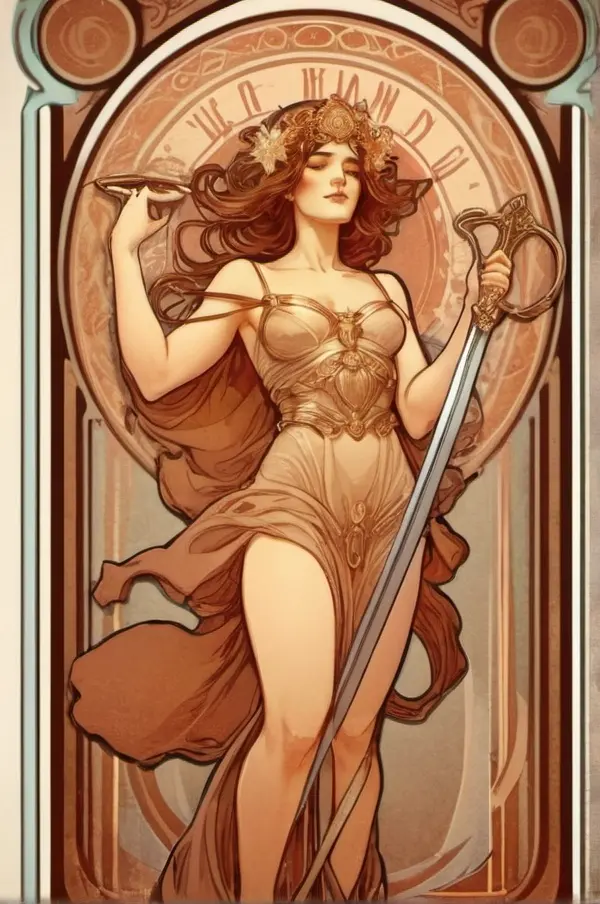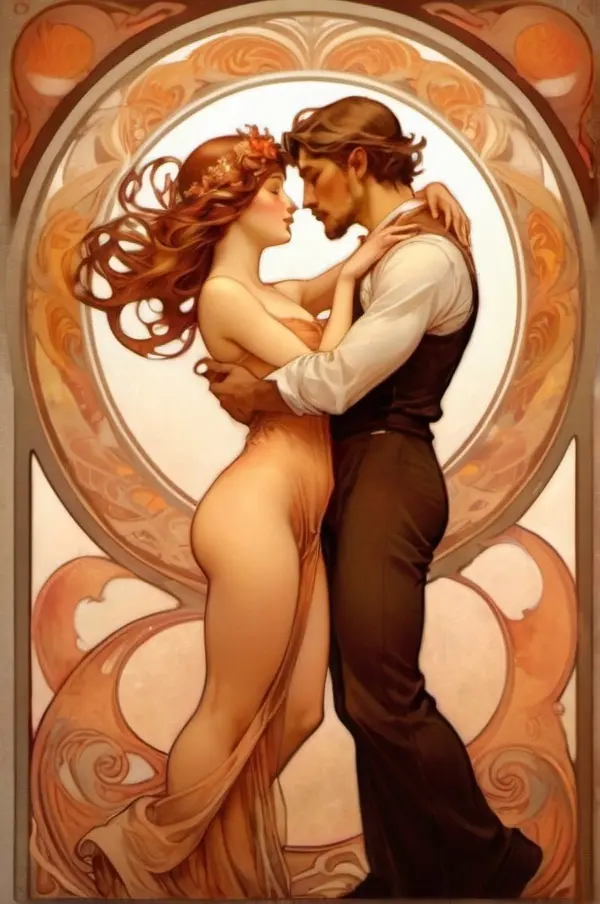
You want one image. One answer lane. One minute before your brain spins the same argument for the tenth time.
A one card tarot reading is the fastest honest spread in the deck. Not because it is shallow. Because it refuses to let you hide behind twelve positions when the real question is already small enough to hold in one hand.
People search single card tarot when they need a quick tarot reading that still respects symbolism. That is the right instinct. One card can name the mood, the block, the green light, or the pause you keep pretending you do not feel. It can also lie with confidence if you pull again and again until the picture matches your hope.
This guide shows you how to run a one card tarot reading that you can trust enough to act on, or trust enough to stop. You will get a clear pull ritual, question frames that work, upright and reversed rules you can keep, and honest notes on when to stay at one card versus when to open a bigger spread.
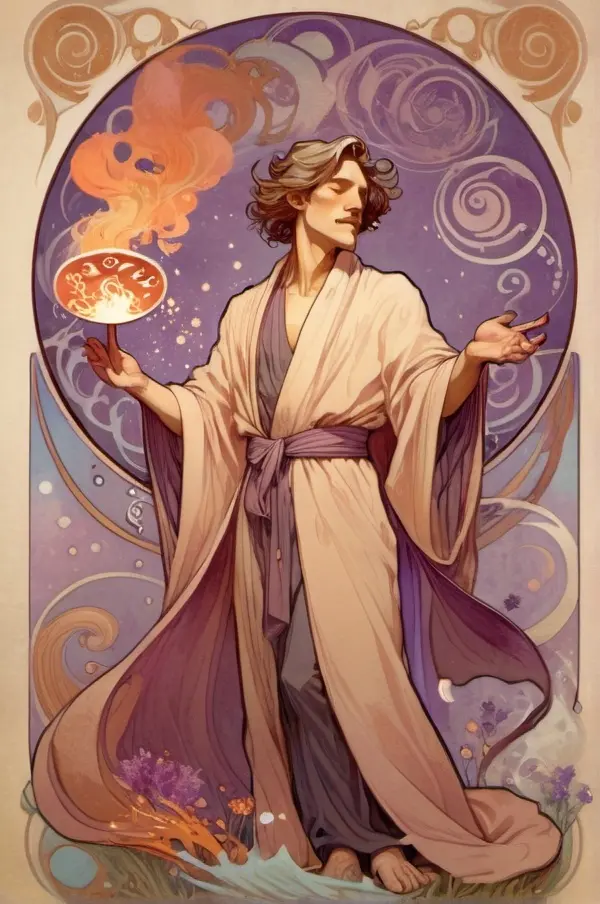
What a one card tarot reading actually is
A one card tarot reading is exactly what it sounds like. You shuffle with one question in mind. You pull one card. You look at it before you narrate it.
That is the whole spread. No hidden rows. No past-present-future unless you assign those ideas to the one image yourself, which is advanced homework and easy to overdo.
Single card tarot works because tarot cards are dense. Each image carries posture, weather, symbols, numbers, and suit logic. One card is not one word. It is a scene. When you give that scene a tight question, it answers like a flashlight, not like a floodlight.
A quick tarot reading is not a different deck. It is a different contract with yourself:
- pull once
- write one sentence before you open a keyword list
- act on something small, or sit with something true, before you pull again
If you break that contract every time the card annoys you, you are not doing tarot. You are shopping for comfort. Comfort has its place. It is not the same as clarity.
Why people reach for single card tarot first
Most life forks are not epic. They are Tuesday.
Should I send the email? Should I stay home tonight? Should I take the conversation seriously or let it pass? A one card tarot reading fits those moments because you do not need a map of the year. You need a tone check.
Quick tarot reading traffic also spikes when you are tired. Decision fatigue is real. One card lowers the cost of asking. You do not need a quiet room and twenty minutes. You need a question that fits in one line and a card you will look at twice before you forget it.
There is a transactional truth here, and it is worth saying plainly. You do not need a paid reader, a custom altar, or a rare deck to get value from single card tarot. You need a method you repeat the same way every time. Apps and physical decks both work when the method is steady.
TarotGo is built for that lane: open, shuffle, pull one, read the meaning, leave with something you can carry. The habits below work on paper too. The point is to read once with intention, not ten times with panic.
How to do a one card tarot reading step by step
Skip the performance. Keep the sequence.
1. Name one real question
Not "tell me everything." Not "what does the universe want." One lane:
- What energy is most useful if I say yes to this invite?
- What am I avoiding in this conversation?
- What is the honest read on my patience right now?
If you cannot say the question out loud without wincing, it is still too vague. Sharpen it once, then stop editing.
2. Shuffle until your hands are done
There is no magic number. Three passes can be enough. A slow meditation shuffle can be enough. Stop when stopping feels honest, not when you are stalling because you fear the answer.
For a quick tarot reading, a short shuffle is fine. Consistency matters more than theater.
3. Pull one card and lay it where you will see it
Phone screen counts. Journal counts. Kitchen table counts. Put the card somewhere your day will bump into it again.
4. Look before you interpret
Describe what a stranger would see. Who faces forward? What is held? What is missing? What is oversized? What is surprisingly small?
The guide on looking before you interpret applies to every one card tarot reading. Keywords come second. Pictures come first.
5. Write one sentence, then stop
"Today the card shows me someone who acts before the room gives permission." That is enough for a first pass. You can study the meaning entry after you have your own sentence.
6. Do one small thing with the read
Send the email. Take the walk. Cancel the plan. Name the boundary. A single card tarot pull that never touches behavior is entertainment. You wanted a quick tarot reading because something in your week needed friction or permission. Let behavior test the card.
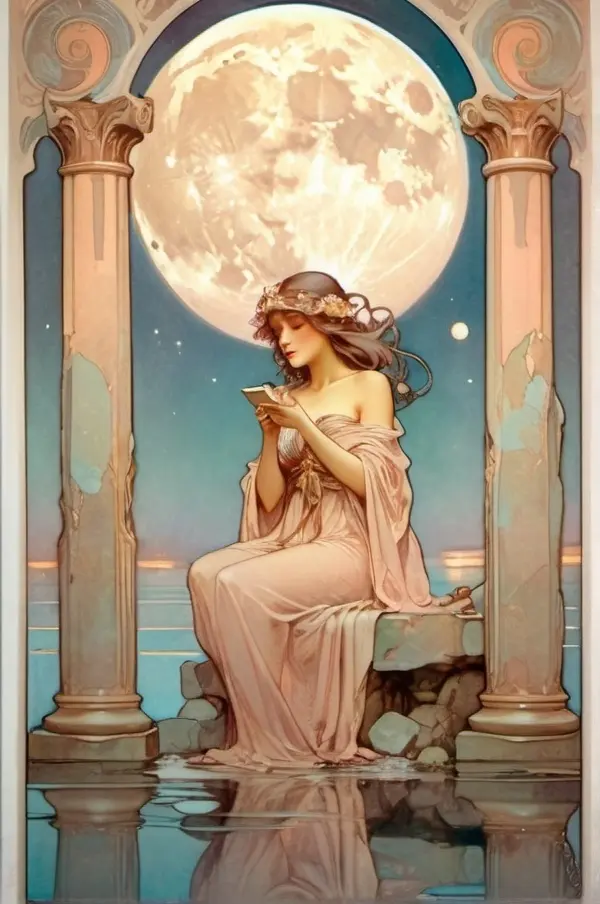
Questions that fit a one card spread
Some questions love a single image. Others beg for three rows. Start here when you want one card tarot reading results that land.
Good fits:
- Tone: "What energy helps me show up well in this meeting?"
- Block: "What habit is making this harder than it needs to be?"
- Permission: "What would a wise yes look like here?"
- Pause: "What needs rest before I push again?"
- Focus: "What is the one thing to handle first today?"
Weak fits without reframing:
- "Will we get married?" (too much life in one image)
- "Should I uproot everything?" (needs comparison frames)
- "Is he the one?" (hides ten sub-questions)
You can still pull one card on a big topic if you shrink the window. "What is true about this relationship this week?" is a different question than "What is true forever?" The deck answers the question you actually asked.
For binary lanes, pair your single card tarot pull with the methods in yes or no tarot. One card can lean yes or no when you pick a rule and keep it. It cannot replace an honest conversation you are avoiding.
Upright, reversed, and the one-card rule
Pick one reversal rule for your one card tarot reading and write it down before you pull.
Common options:
- Upright reads as open flow, visible theme, or green light leaning yes
- Reversed reads as block, delay, internalized theme, or pause leaning no
Some readers treat reversals as "the same story, turned inward." That is valid. What is not valid is changing the rule after you see the card because you dislike it.
If reversals slow you down in a quick tarot reading, skip them at first. Read the image in plain life. The Sun feels like visibility whether or not it is upside down. Ten of Swords hurts either way. You can add reversal nuance later when one card is already a language you trust.
One clarifier pull is allowed in hard moments. One. Not five. If you need a committee of cards to feel safe, the question may belong in a bigger spread, not in single card tarot theater.
Reading common one-card pulls without keyword panic
You will see the same cards often. That is good. Familiarity turns one card tarot reading from a parlor trick into literacy.
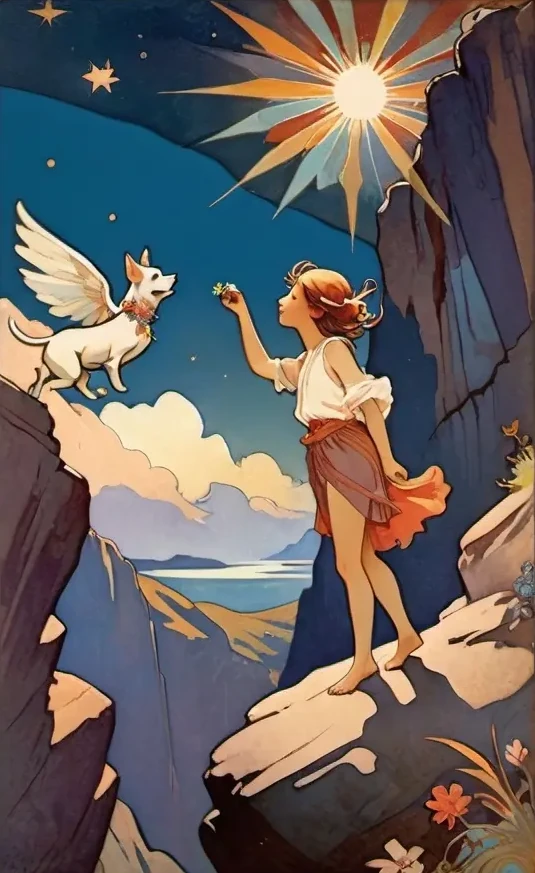
The Fool in a quick pull
The Fool is a step, not a dare. In a single card tarot read it often marks beginnings, willingness, or the choice to move before the plan is perfect.
Ask: "Where am I treating uncertainty like a stop sign when it is really an invitation to learn?" The Fool rewards honest first steps. It does not bless avoidable chaos you already knew was chaos.
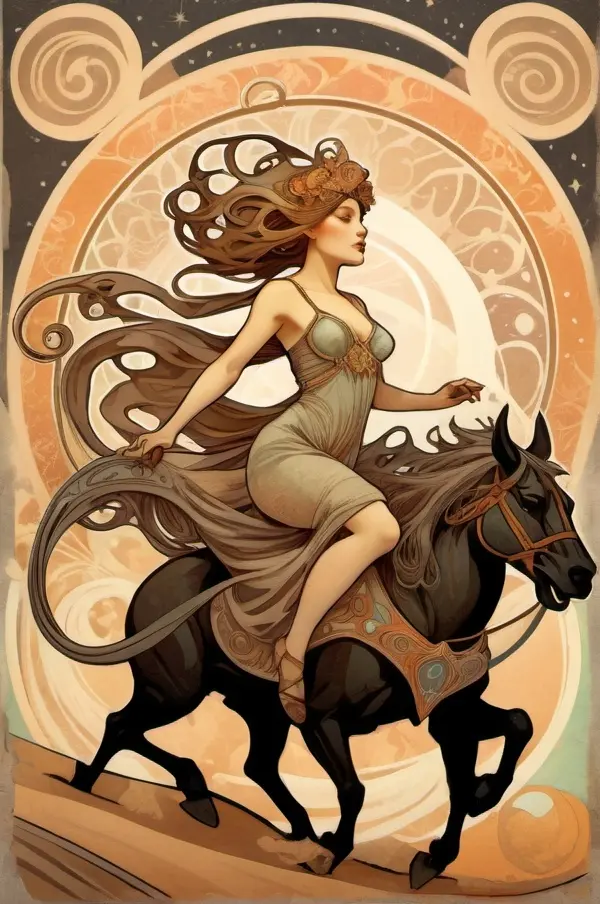
The Chariot when you need direction
The Chariot is directed will. Two forces, one harness. In a quick tarot reading it often shows up when you already know what you want but you are splitting energy across too many tabs.
Ask: "What would it look like to aim one horse today?" The Chariot is less about speed than alignment. Pull it before a hard conversation or a deadline week.
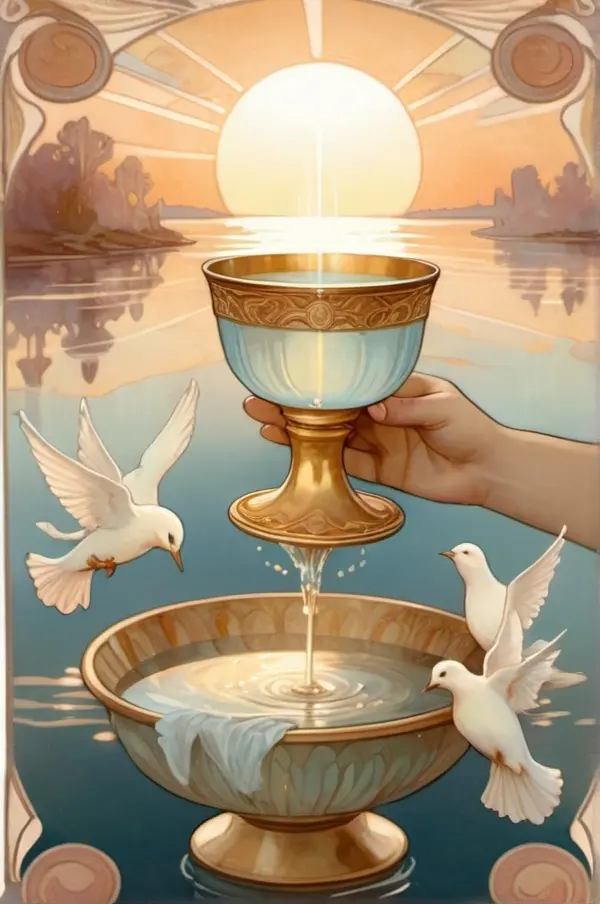
Ace of Cups when feelings are loud
Ace of Cups is an opening. Emotional start. Overflow that asks to be named, not performed.
In single card tarot, it can mark a sincere offer, a thaw, or grief that finally has a container. Do not force romance on it. Cups are not only crushes. They are anything that fills from the inside out.
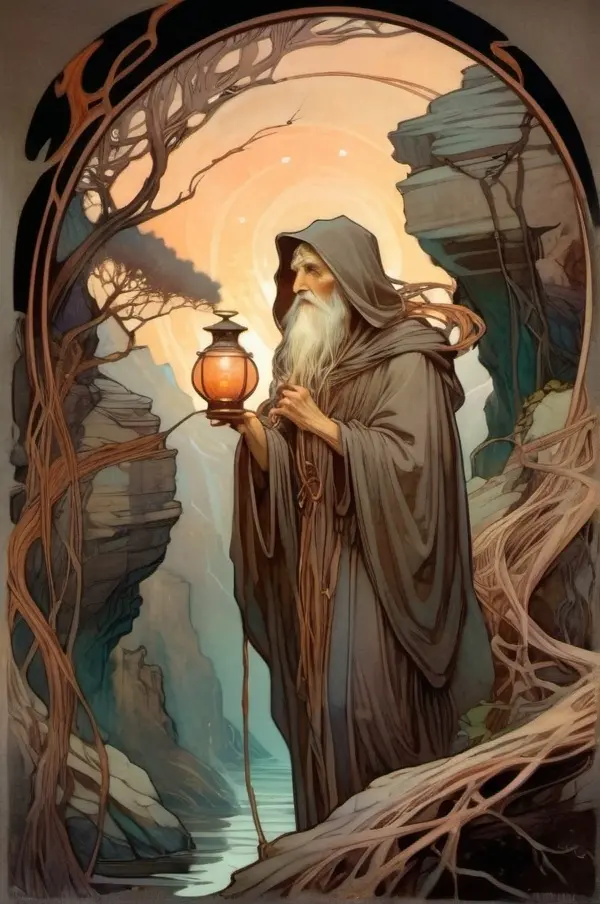
The Hermit when the answer is stop
The Hermit is underrated for transactional pulls because it does not sell drama. It says go inward. Slow down. Answer from solitude, not from the group chat.
If you wanted a flashy quick tarot reading and got The Hermit, the card may be refusing your hurry. That is still an answer.
One card tarot vs daily practice
A one card tarot reading can be a one-off. It can also be the spine of a daily habit.
The difference is rhythm, not mechanics. A daily pull uses the same spread with a lighter question, often about tone or attention for the day. A transactional single card tarot pull usually arrives with a specific fork: this email, this date, this offer.
If you want the morning version, read daily tarot reading. That guide builds a calm one-card ritual that survives tired Wednesdays. Use it when the goal is contact with the deck, not a verdict on one decision. To turn that morning draw into a fixed ritual, the guide on your tarot card of the day covers how to read it fast and track it over weeks.
Use a standalone quick tarot reading when the fork is now. Pull once. Act once. Do not drag a job interview question into breakfast for two weeks.
When one card is not enough
One image is powerful. It is also a single angle on a crowded room.
Move to three cards when you need:
- Comparison: option A versus option B versus what you are not seeing
- Time shape: what is leaving, what is here, what is forming (named honestly, not as fate theater)
- Relationship geometry: you, them, and the space between
These 3 card tarot spread ideas show how three positions do real work when each slot has a job. If your one card tarot reading keeps feeling true but incomplete, you may not need another single pull. You need a frame with three named chairs.

Heavy topics deserve heavier containers. Grief, custody, medical choices, and years-long love tangles rarely settle in single card tarot without shrinking the question so hard that you lie to yourself about what you asked.
That is not snobbery. It is scope. A quick tarot reading should be quick because the decision is quick, or because you want a nudge before a longer session later.
Mistakes that wreck a one card reading
You can pull one card beautifully and still waste it. These habits are the usual suspects.
Pulling until you like the picture. The deck is not a slot machine. If you reject three pulls, your anxiety is the reading. Stop. Walk. Come back with a smaller question.
Skipping the image. Jumping straight to "what does this card mean online" trains you to collect other people's sentences. Look first. Mean second.
Asking the same question hourly. Repetition does not increase truth. It increases noise. One one card tarot reading per real fork. If the fork has not changed, neither has the answer.
Treating one card as law. Tarot reads the field around a question. It does not cancel agency. A green light card does not replace due diligence. A hard card does not replace hope that grows from action.
Never writing anything down. Memory edits cards by dinner. One sentence in a notes app beats a perfect mental snapshot.
A simple one-card ritual you can repeat today
If you want a default single card tarot sequence, use this:
| Step | What to do |
|---|---|
| Breathe once | Phone face down. Name the day. |
| Ask one lane | Tone, block, permission, pause, or focus. |
| Shuffle short | Stop when your hands say stop. |
| Pull one card | Lay it where you will see it again. |
| Describe sixty seconds | Colors, figures, direction, weather. |
| Write one sentence | Your words, not a glossary yet. |
| One action | Small, real, today. |
Swap the lane word to match your life. The table is a scaffold, not a law.
Pull one card now
You searched one card tarot reading because you wanted speed with substance. That is exactly what a disciplined single pull offers.
Shuffle with one honest question. Look at the image like it is a person across the table. Let the meaning land in your language before you borrow mine. If the card is quiet, let it be quiet. If it is loud, do not narrate it into something polite.
TarotGo is here for that lane: one card when you have a minute, clear meanings when you want depth without clutter, and room to open a three-card spread when the question outgrows a single image. Pull once. Write once. Let the day prove what the card meant.
A quick tarot reading is not a smaller spirituality. It is respect for a mind that needs one true thing before it can move. Give yourself that one thing. Then move.