You opened a search for tarot card meanings because a card showed up and your brain reached for a keyword list. That list helps. It is not the whole read.
Tarot interpretations work best when you treat each card as a picture with a job in a spread, not as a fortune cookie with one fixed sentence. This tarot guide walks through the two big halves of the deck, the four suits, how card symbolism actually lands in practice, and the upright vs reversed basics that confuse almost every beginner at least once. If you have not settled on a deck yet, how to choose a tarot deck covers deck styles and card stock before you dive into meanings.
You do not need to memorize all seventy-eight cards tonight. You need a map. The map below is the one most steady readers return to after the cheat sheets fade.
What tarot card meanings are (and what they are not)
A tarot deck has seventy-eight cards. Twenty-two are the major arcana, the big archetypes. Fifty-six are the minor arcana, sorted into four suits with fourteen cards each. That fixed structure is also what separates tarot from an oracle deck, covered in tarot vs oracle cards.
Tarot card meanings are shared language for those images. Two of Cups does not always mean romance. It often points to reciprocity, meeting, or emotional exchange. The point is pattern, not prophecy.
Meanings are not:
- a single English sentence that never changes
- a substitute for your lived context
- proof that the universe agrees with your wish
Meanings are:
- symbolic shorthand for human situations
- anchors for intuition, not replacements for it
- tools that get sharper when you connect card to card
If you have pulled before and felt lost, the fix is usually not a longer keyword list. It is slower looking. The guide on looking before you interpret is worth reading before you stack more definitions on top of a rushed glance.
Major arcana: the long story cards
The major arcana runs from The Fool through The World. In many decks the numbers go 0 to 21. These cards name chapters: initiation, conflict, surrender, rebirth, integration.
You will not use every major in every reading. When one appears, it often marks weight. The situation touches identity, fate-level choice, or a lesson that keeps returning until you learn it in your body, not only in your notes.
Here is a practical overview by theme, not by rote definition. Treat this as a compass, not a cage.
Beginnings and agency
The Fool, The Magician, The High Priestess, The Empress, The Emperor often open stories. Risk, skill, hidden knowledge, nurture, structure. When several of these cluster in a spread, ask what is being built and who holds the tools.
Choice, ethics, and social order
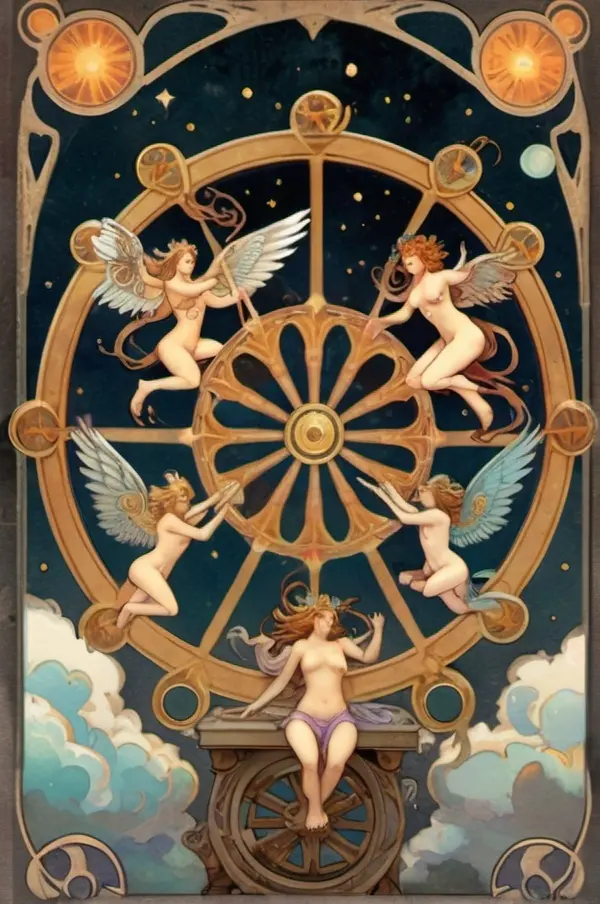
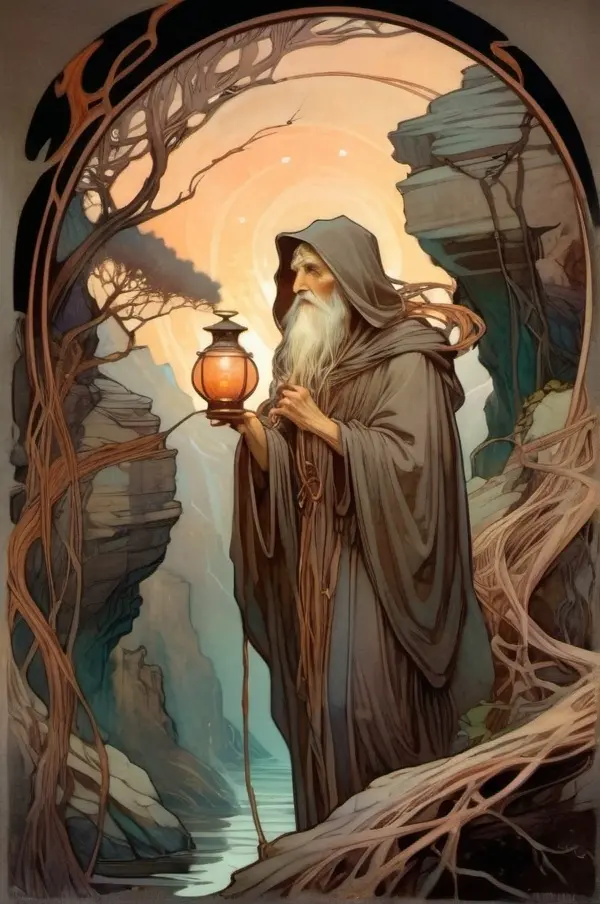
The Lovers, The Chariot, Strength, The Hermit, Wheel of Fortune bring choice, drive, gentle power, solitude, and cycles. Love readings lean on The Lovers, but remember the card is often about alignment and values, not a wedding date.
Thresholds and hard truth
Justice, The Hanged Man, Death, Temperance, The Devil, The Tower are not punishments. They name reckoning, pause, endings that make room, integration after mess, attachment patterns, and structures that cannot stand. Readers fear Death and The Tower most. In practice they often describe a chapter closing so honesty can enter.
Light after pressure
The Star, The Moon, The Sun, Judgement, The World tilt toward healing, ambiguity, clarity, calling, and completion. The Moon is not "bad." It is murky water: dreams, fear, intuition without clean edges.
You do not need to narrate the full hero's journey every time The Fool appears beside The World. You need to notice when the spread speaks in archetypes instead of daily errands. That shift alone upgrades tarot interpretations.
Minor arcana: four suits, everyday weather
The minor arcana is where Tuesday lives. Work emails, flirtation, family friction, money stress, creative bursts. Four suits. Four elements. Four flavors of experience. For every card sorted by suit and rank, keep the full guide to minor arcana meanings open while you practice.
| Suit | Element | Realm | Tone in one line |
|---|---|---|---|
| Wands | Fire | drive, passion, creative push | "What do I want to do?" |
| Cups | Water | feeling, relationship, intuition | "What do I feel?" |
| Swords | Air | thought, conflict, clarity | "What do I think is true?" |
| Pentacles | Earth | body, money, craft, time | "What is solid here?" |
Each suit has Ace through Ten, plus Page, Knight, Queen, and King. Numbers show development. Courts show people, attitudes, or mature styles of that suit. If the Page, Knight, Queen, and King still blur together, the guide on reading tarot court cards sorts them rank by rank.
Wands
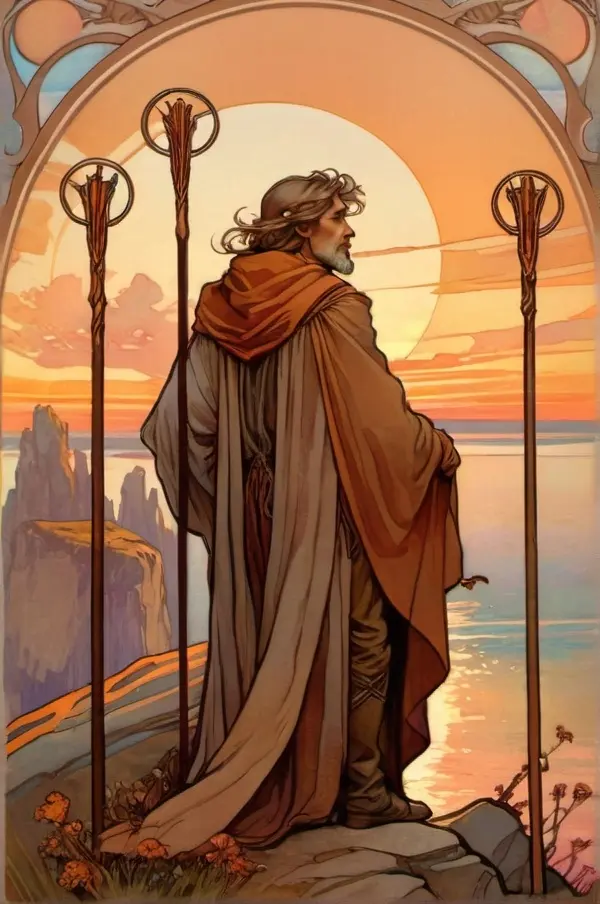
Wands move. Sparks, projects, courage, impatience. Ace of Wands is a green light. Five of Wands is friction in a group. Ten of Wands is load carried too long. When a spread is mostly wands, ask about motivation and burnout before you ask about destiny.
Cups
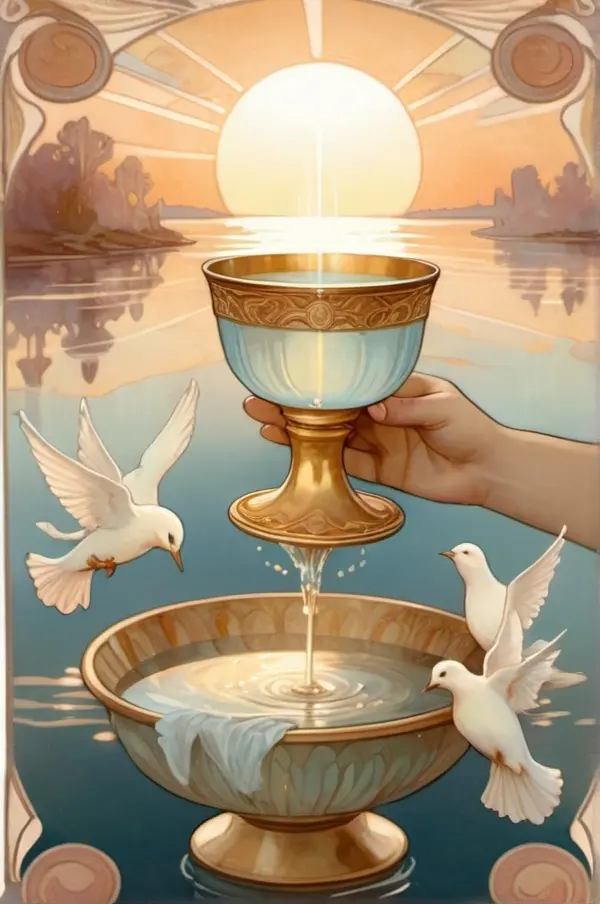
Cups hold feeling. Love, grief, nostalgia, emotional honesty. Ace of Cups overflows. Four of Cups turns away. Ten of Cups pictures shared joy, though it can also ask whether the picture matches real life. For love-specific spreads, pair this suit with the article on love tarot reading.
Swords
Swords cut. Truth, anxiety, arguments, decisions that hurt before they heal. They are not evil. They are sharp. Three of Swords hurts on sight. Ace of Swords clears fog. A sword-heavy spread may say your problem is in the story you tell, not in the lack of a sign.
Pentacles
Pentacles ground. Jobs, homes, health routines, skill building. Ace of Pentacles is a tangible offer. Five of Pentacles can be exclusion or money fear. King of Pentacles is stewardship. Career pulls often lean pentacles and swords. See will I get the job tarot for how those cards show up under hiring stress.
How to read tarot card meanings in a real spread
Keywords get you in the door. Context furnishes the room.
1. Name the question and the position
A card in "what blocks me" is not the same card in "what helps me." Write positions before you pull. The three-card spread is a strong training ground because three roles stay easy to hold.
2. Describe the picture first
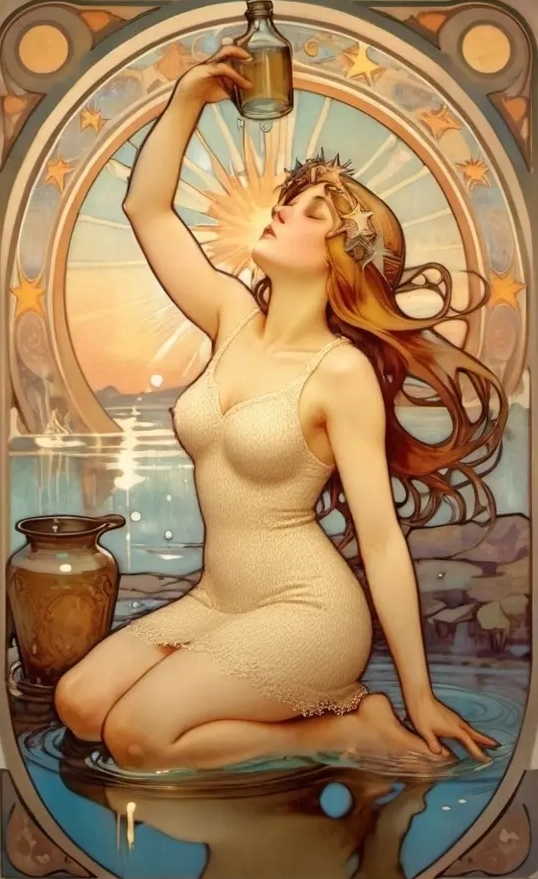
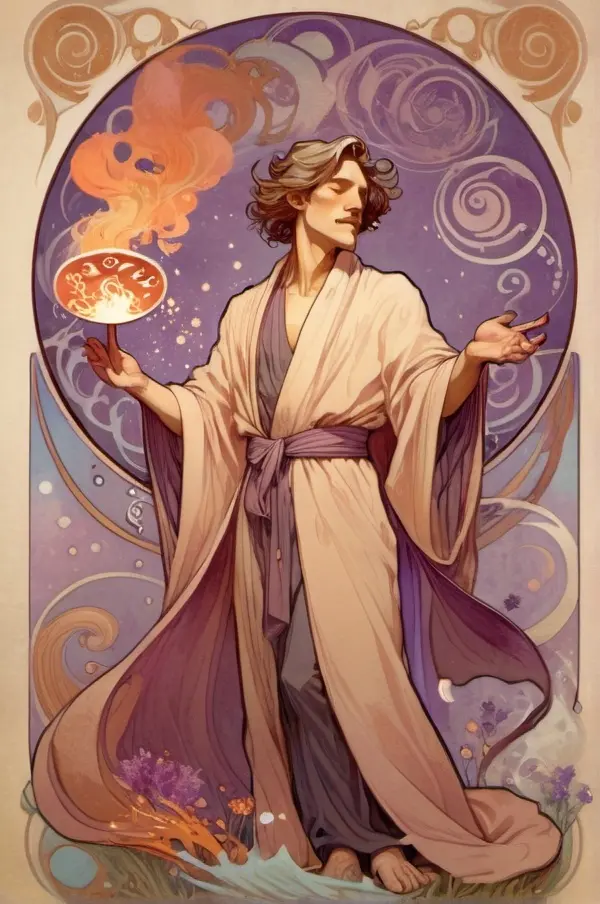
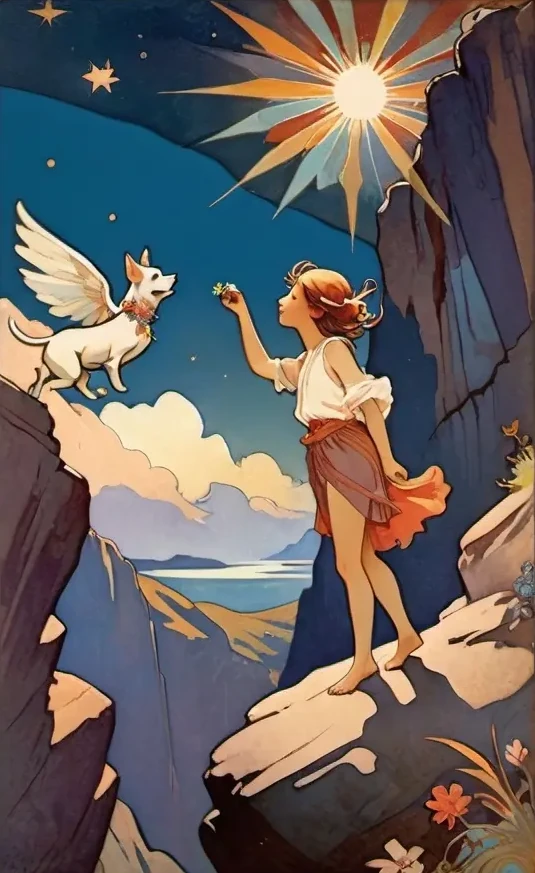
Who faces whom? What is upright in the image? What is broken, hidden, or unfinished? Card symbolism lives in the art. A figure with their back turned reads differently than one offering a cup. Train this before you hunt for synonyms.
3. Connect neighbors
Cards talk. Two of Cups beside The Tower is not "love plus disaster" as a slogan. It may be a bond meeting a shake-up. Ace of Pentacles beside Seven of Swords may be an offer you should vet. Read the sentence the row makes.
4. Match scale to life
Ask one plain question after each spread: "If this is accurate, what would I notice this week?" If you cannot name a observable clue, your tarot interpretations may still be floating above the ground.
5. Stop when you have an answer you can use
More cards are not always more truth. If the spread already points to a conversation you keep avoiding, you may be done. The article on when a tarot reading does not answer the question helps when the deck feels slippery even with good keywords.
Upright vs reversed: basics without superstition
Not every reader uses reversals. Many do. In TarotGo and most digital decks you can choose. Here is a clean starting frame.
Upright usually shows the card's energy recognizable, expressed, or moving in the open. The lesson is on the table even if you dislike it.
Reversed often points to:
- delay, blockage, or internalization
- excess or deficiency of the suit's energy
- the lesson showing up sideways, in dreams, avoidance, or private rumination
Examples in plain language:
- Sun reversed might be joy muted, visibility resisted, or confidence recovering after a dip. It is not "doom."
- Eight of Wands reversed might be stalled messages, slow momentum, or urgency turned inward.
- Empress reversed might be nurture out of balance, creative drought, or care turned toward others with none left for you.
Do not treat reversed as "the bad version." Treat it as the energy bent or delayed. Sometimes the bent version is the truer read for your situation.
If reversals scramble you at first, read upright only for a month. Build picture literacy. Add reversals when upright feels steady. A daily tarot reading habit is a low-pressure place to practice one card at a time.
Building your own tarot guide over time
Reference books and apps are fine teachers. Your best tarot guide eventually includes your own notes: real spreads, real outcomes, real mistakes.
Try this notebook method:
- Card name and position
- Three visual details you actually see
- One-sentence meaning in your words
- One week later: what showed up in life?
Patterns will surprise you. You might discover your deck's Queen of Swords tracks your sister, not "a cold woman." That personal layer is valid if you hold it lightly and stay willing to revise.
For quick binary questions, you may compress meaning into yes or no tones. That is a different lane. Read yes or no tarot for how to do that without flattening every archetype into a traffic light.
Common mistakes when learning meanings
Memorizing without looking. Keywords without images produce generic readings.
Chasing opposite meanings for reversals. Some teachers give long reversed lists. Start with blockage, delay, or inner work. Add nuance later.
Ignoring suit balance. A spread of only swords is a mental weather report. Ask if the body or heart needs a seat at the table. The guide on tarot suits meaning shows how to tell which suit is running the whole spread.
Pulling until the meaning fits. That habit trains anxiety, not literacy. A free tarot reading is useful when it is repeatable and written down, not when it is infinite until you like the story.
Treating majors as always louder. A minor card in the right position can be the whole message. Four of Pentacles in "what am I clinging to" needs no major arcana cameo to land.
A simple practice spread for learning meanings
Pull three cards when you are studying, not only when you are in crisis:
- Theme: what energy is active?
- Skill: what helps me read it clearly?
- Trap: what distortion should I watch for?
Read each card using the steps above before you open any app glossary. Then compare with a reference. Notice what you saw that the book never mentions. That gap is where your living tarot interpretations grow.
Where TarotGo fits
TarotGo is built for readers who want meanings they can study and spreads they can repeat without drama. Pull a card, open its page, read the symbolism, and return when you are calm enough to see the image instead of only the headline in your head.
Tarot card meanings are not a wall of text to swallow. They are a language you speak by speaking it: one card, one question, one honest look at the picture. Start with the major themes and suit flavors above. Keep notes. Let the deck argue with you a little. That friction is how generic keywords become readings that sound like your actual life.