A breakup tarot reading pulled in the first raw days after a split often comes out muddled, sometimes flatly contradictory. Ask the same thing three times and you can get three different moods back. That is not a broken deck. It is grief, adrenaline, and a nervous system running hot, all shaping how you read whatever card lands. This guide is not about whether your ex is coming back. It is about using tarot after breakup to actually process what happened, notice the pattern you are ready to break, and get a plainer sense of what moving forward looks like for you.
If the question underneath everything is still "will we get back together," the guide on any future with my ex goes deep into that exact angle, with its own spread and its own cautions. This one stays with the person doing the healing. That is you, not the person you are waiting to hear from.
Why a reading right after a breakup feels confusing
Right after a breakup, your body is not built for calm interpretation. You might check your phone every ten minutes, replay the last conversation on a loop, or feel relief and devastation inside the same hour. None of that is a flaw in you. It is what a breakup does to a nervous system.
Tarot reflects the state you bring to it. Pull a card while you are flooded with adrenaline and you will likely read it through that flood. A neutral card can start looking like an omen. A hard card can feel like proof you were always going to lose. A soft card can turn into false hope you cling to for a week. None of that is the card's fault. It is what raw emotion does to interpretation, and it happens to experienced readers too, not only to beginners.
This is part of why a healing tarot reading tends to work better a few hours or a day after the first shock, once your hands have stopped shaking a little. If you truly cannot wait, at least name your state before you shuffle. Write one sentence: "I am reading this while wrecked, so I will treat any hard or hopeful card with the same grain of salt." That sentence alone changes how you receive whatever shows up.
Stop asking what your ex is thinking
The question that pulls people back to the cards again and again is some version of "what is my ex thinking about me right now." It is an understandable question. It is usually the wrong one to keep asking, because it hands your attention to someone who is not in the room and could not answer you honestly through a deck even if they wanted to.

A better set of questions turns the deck back toward you instead:
- What do I need to let go of before I can feel lighter?
- What pattern am I ready to break, here or in the next relationship?
- What does moving forward actually look like for me this month, not in some vague later?
- What have I been avoiding feeling because it was easier to think about them instead?
These are not smaller questions. They are often harder, since there is nowhere to hide behind someone else's imagined thoughts. But they are questions a breakup tarot reading can actually answer. Tarot reads your own inner landscape (your patterns, your blind spots, your next honest move) far better than it reads a closed door from the outside.
A simple 3-card healing spread
Once you can sit with the cards instead of interrogating them, a small spread is usually more useful than a big dramatic one. Three positions are enough:
- What happened, the honest shape of the ending, without the version you tell to make it hurt less or more
- What I am learning, the pattern, habit, or need this relationship is showing you about yourself
- What I am ready for, not a prediction, but the shift you can actually start making now

Pull one card per position and read them as a short story instead of three separate verdicts. If the first card is heavy and the third is calm, that often means the worst is already behind you, even if it does not feel that way yet. If all three feel unsettled, that is useful too. It might mean you are not done grieving, and that is fine. Grief does not follow a schedule a spread can hand you.
This structure borrows the same discipline used in a good three-card tarot spread: each position has one job, and you read across all three before drawing conclusions from any single card.
Cards that tend to show up in a breakup reading
A handful of cards turn up often enough in breakup readings that it helps to recognize them ahead of time.
Death usually names the ending itself. It rarely predicts fresh grief coming. More often it is telling you what your body already knows, that this chapter is closed, and pretending otherwise is what keeps you circling back. Seeing it does not mean something worse is coming. It often just means the deck agrees with what you have already felt for a while.
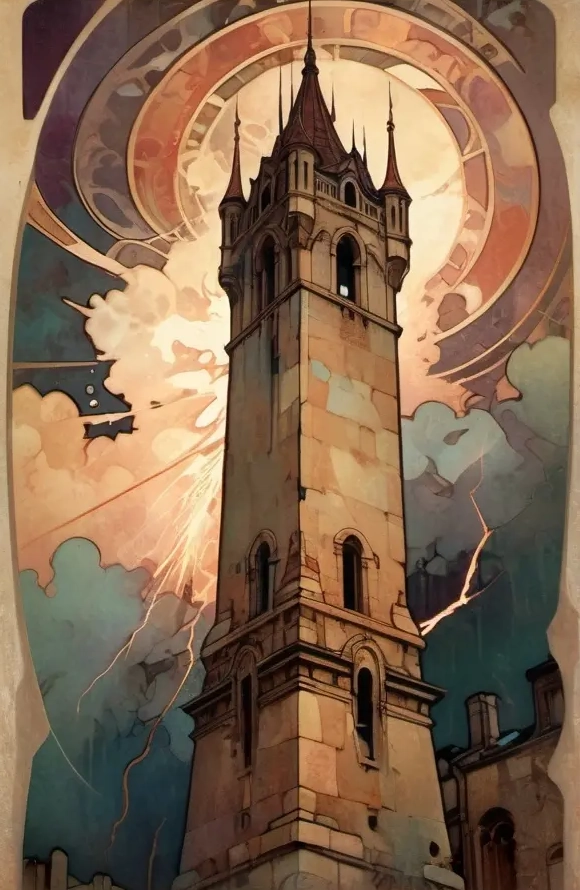
The Tower tends to show up for the shock of it, especially when the breakup was sudden or one-sided. It can describe the free-fall feeling of the first days, the sense that the floor you were standing on is gone. It is uncomfortable to see, but it is rarely wrong about how a fresh breakup actually feels.
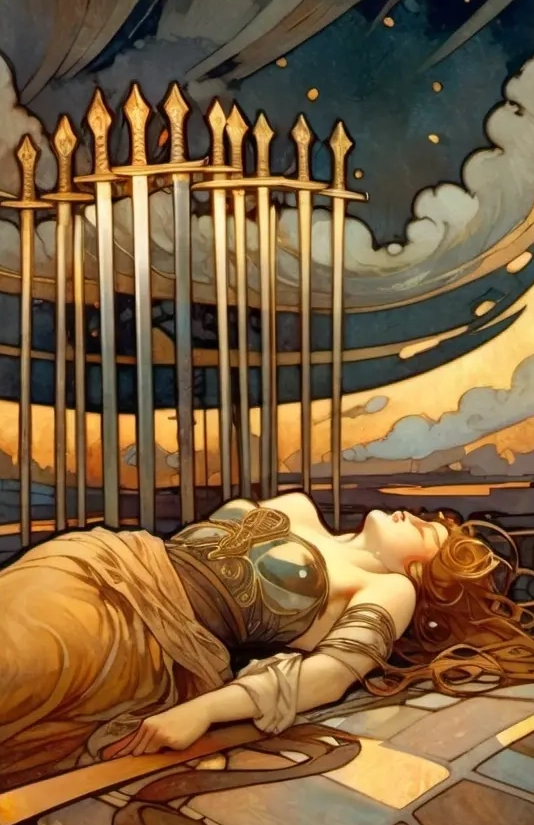
Ten of Swords can look alarming the first time you meet it in a spread, all those blades and one figure down. In a breakup reading it more often marks a low point than an approaching catastrophe. Most decks paint the sky behind the figure a little lighter near the horizon, for a reason. The worst moment tends to be a moment, not a permanent address.
Six of Swords shows up when the reading is about leaving rough water for calmer water, even before the calm is fully visible. It rewards patience more than sudden decisions. If you pull it, it is rarely telling you to do anything dramatic today. It usually says the direction you are already moving in is the right one.
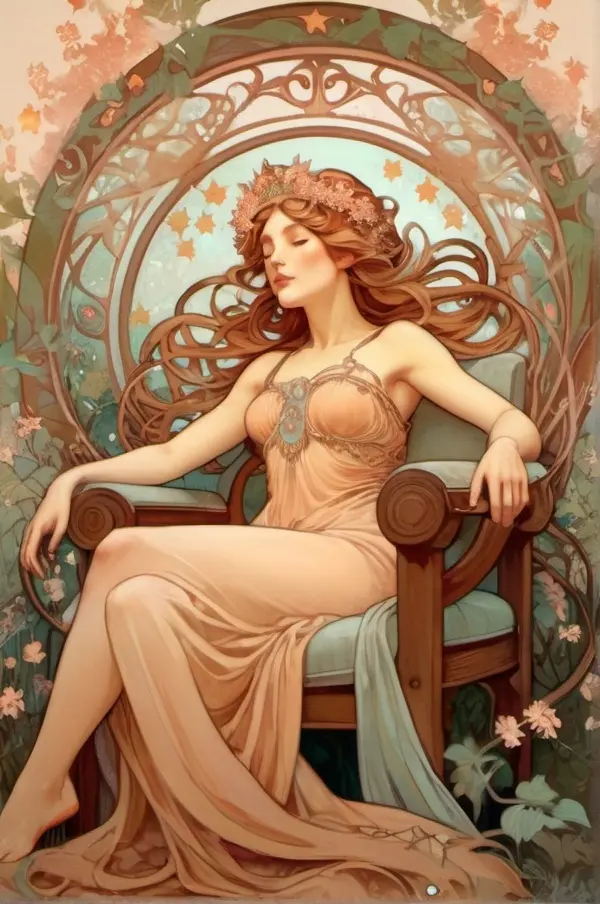
The Star, this guide's cover card, tends to appear once the sharpest pain has already moved through you once. It is the card of healing that comes after the wreck, not instead of it. It does not erase what happened. It suggests something steadier is possible once you stop expecting yourself to feel fine on a schedule.
None of these cards work as fortune telling on their own. Read together across a few pulls over a few weeks, they can describe a real arc: shock, the low point, the turn, and the slower rebuild. That arc is worth more than any single card trying to guess your ex's next move.
What tarot can do here, and what it cannot
A healing tarot reading is good at reflection. It can hand you language for something you already half know, surface a pattern you keep repeating, or give you ten quiet minutes with your own mind instead of your phone. That is real, and worth doing.
It cannot replace grieving on your own timeline, and it is not a substitute for people who actually know you and can sit with you in person. If the breakup has left you unable to eat, sleep, or function for more than a couple of weeks, or if you are having thoughts of harming yourself, that calls for a therapist or a trusted person, not a spread. Cards are a mirror. They are not a counselor, and they should never be the only place you bring your pain.
Looking at the image before reaching for a keyword matters more than usual right now, because a hurting mind grabs the fastest interpretation, not always the truest one. The guide on looking at a card before you interpret it is worth a slow read if you notice yourself assigning meaning before you have really looked at what is on the table.
Where TarotGo fits in
TarotGo is built for reading that can hold something like this: a real spread, card meanings you can study on your own time, and a place to come back to once you are steady enough to see the picture instead of just your fear. Pull the 3-card healing spread above when you are ready, not when you are in crisis. Let the cards describe where you actually are. Let your own pace, and the people who genuinely care about you, do the rest.