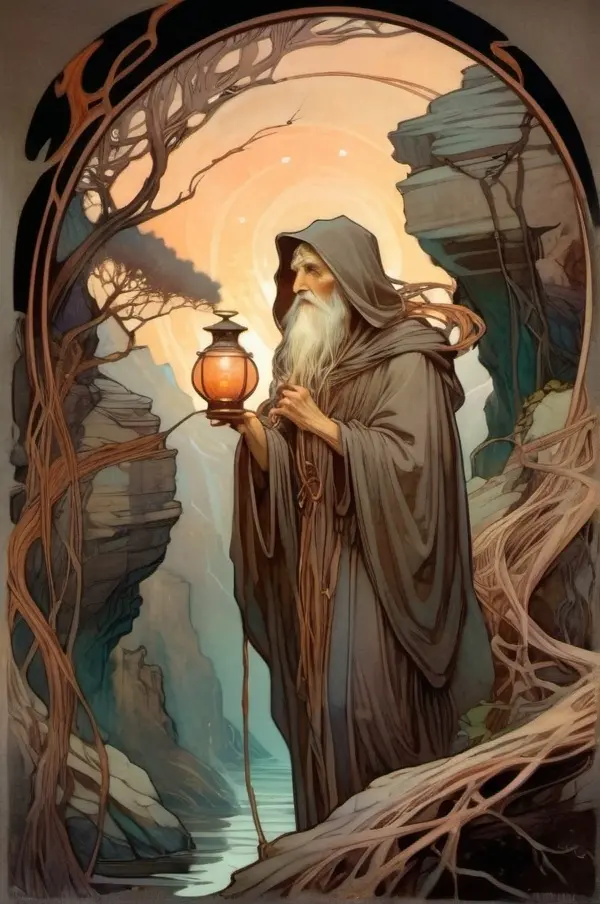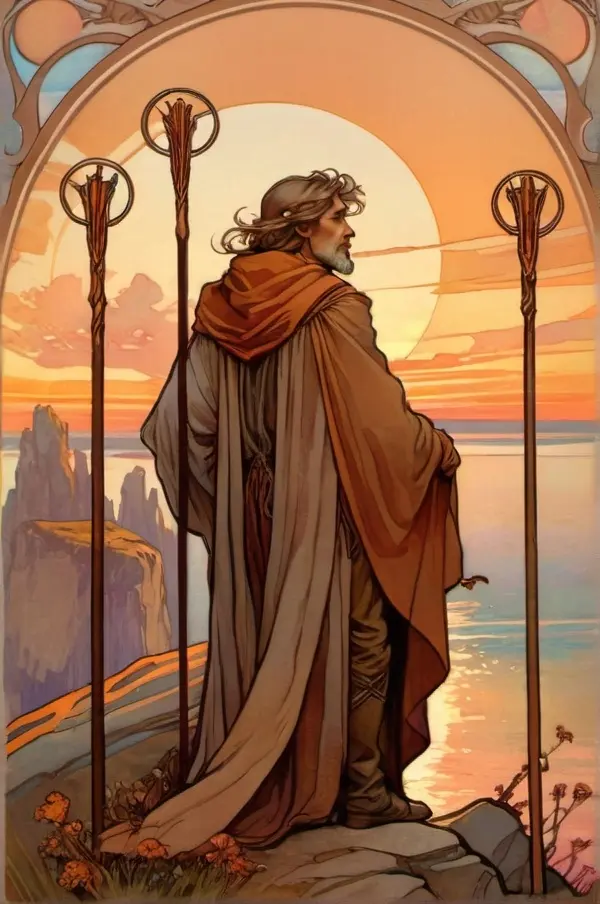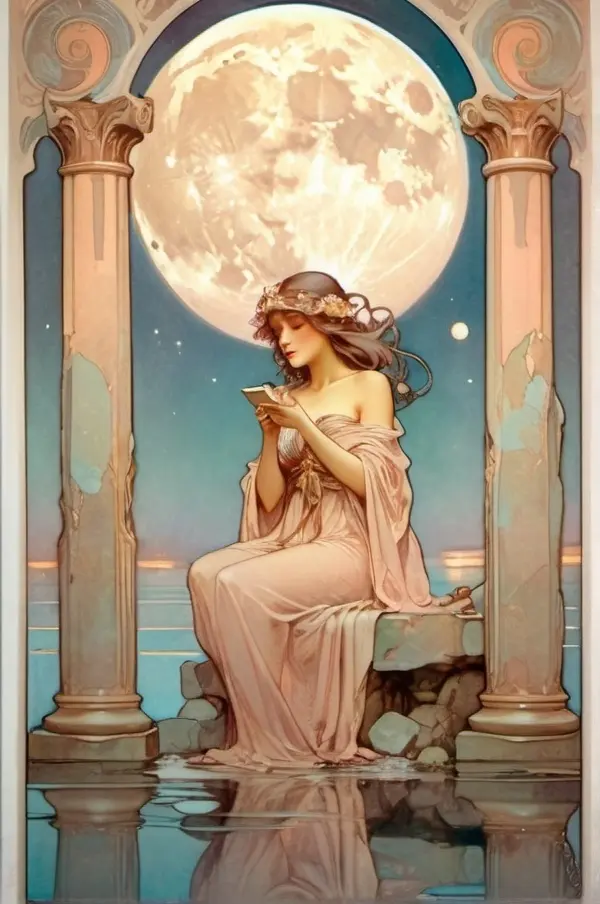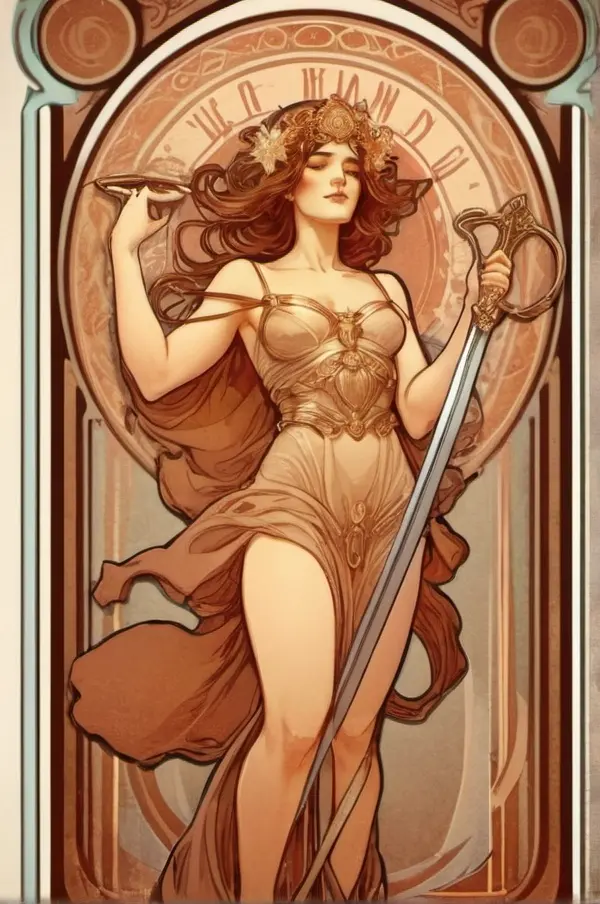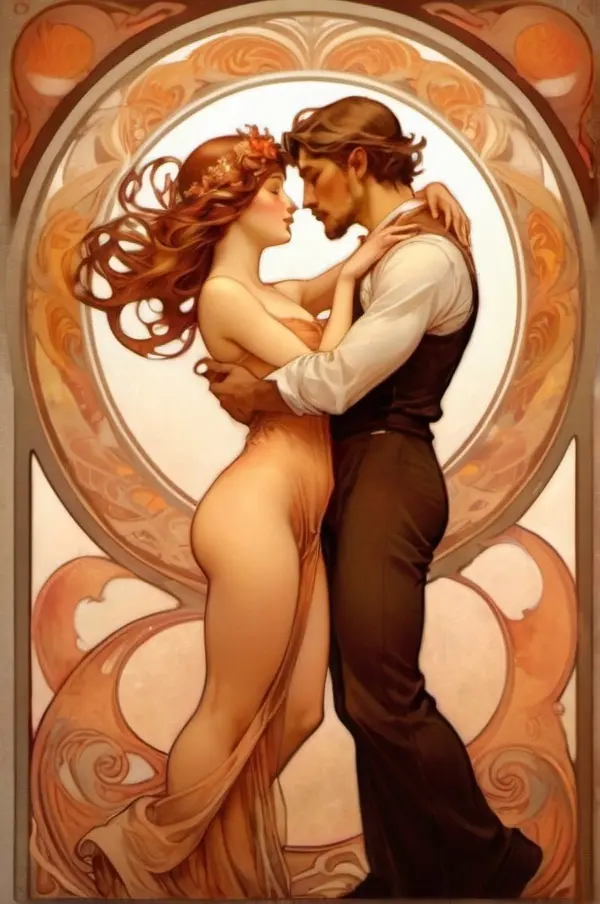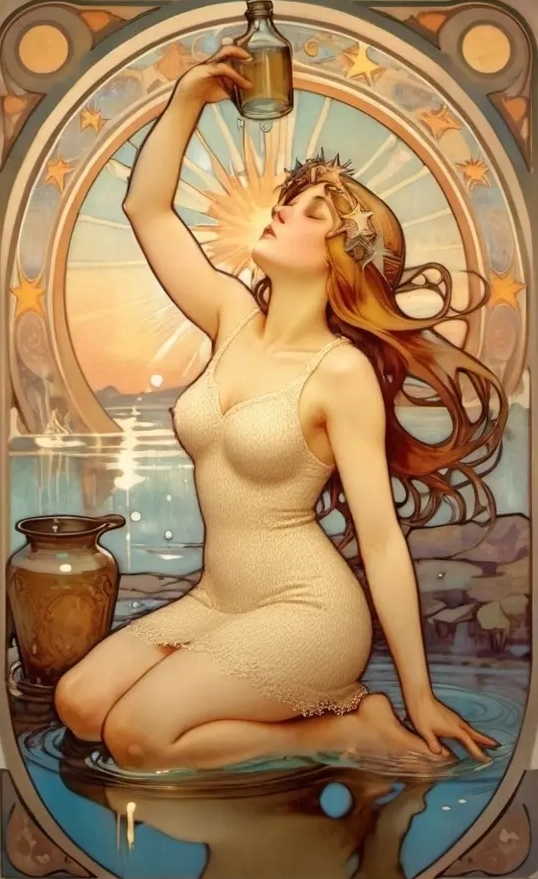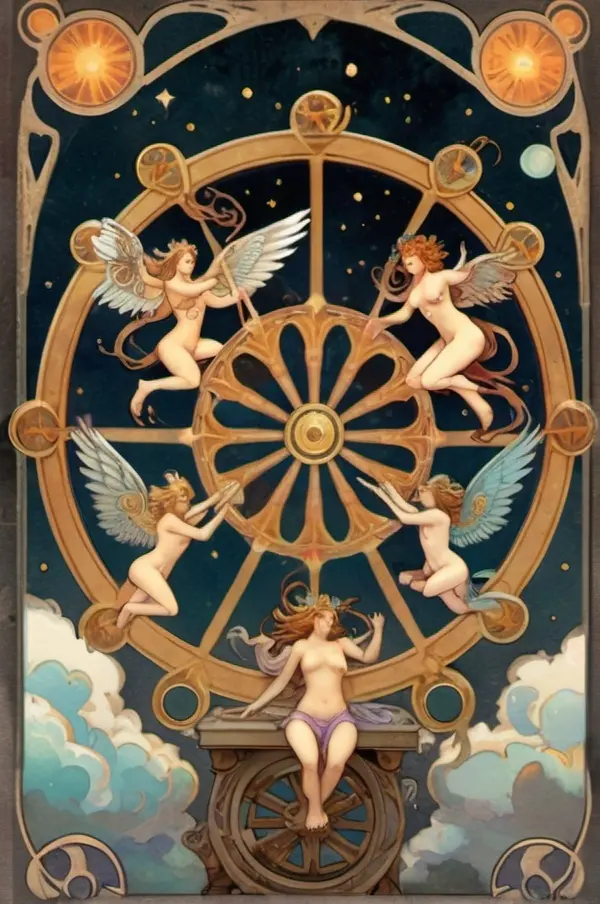
You describe a situation, draw a card and notice a detail that reminds you of it. That association can start a useful conversation. The card does not have to deliver a prediction for you to ask something you had not considered before.
In this approach, tarot supplies images and themes to respond to. You decide whether an interpretation fits your circumstances. It is a way to explore a question, not evidence that the cards have discovered a hidden fact.
Work with one image at a time
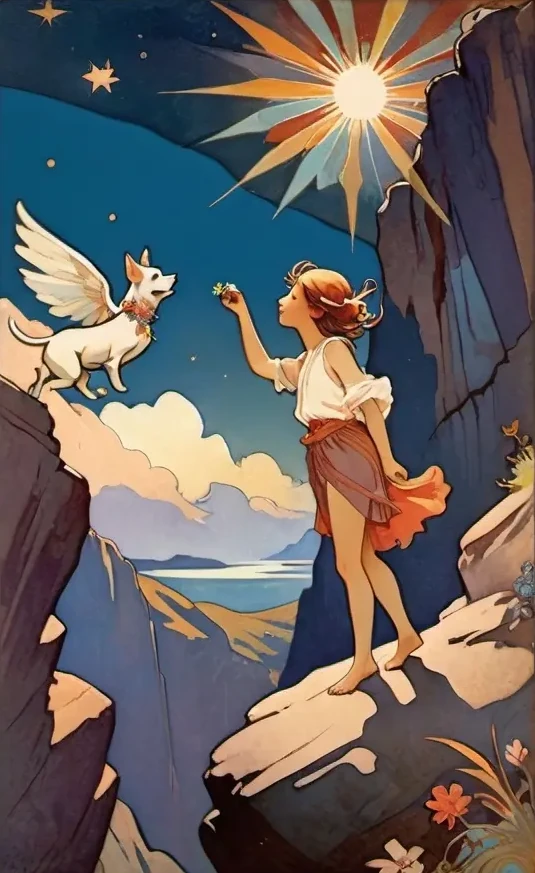
Imagine you are choosing between keeping a familiar routine and trying a new project. An image associated with movement might prompt you to ask what attracts you to change. It does not tell you to abandon your routine.
Try describing the image before applying a meaning to it. What stands out? What connection did you make with your situation? Which part of that connection feels useful, and which part does not fit?
A simple reflection exercise
- Write one concrete question and the facts you already know.
- Look at a card or discuss its imagery in a reading.
- Note one interpretation that adds a perspective to your question.
- Write an alternative explanation, so the first interpretation is not the only one.
- Choose one point to check or think about after the reading.
You can also use a three-card spread if you want several prompts. More cards are not automatically more useful. Keep the question in view.
Notice when another reading adds nothing
If you keep asking until the cards agree with your preferred outcome, pause. The situation may need new information or a direct conversation rather than another interpretation.
Cards cannot verify private feelings, guarantee future events or establish that a choice is right. Compare any suggestion with your actual circumstances before acting on it. You are free to leave an interpretation aside.
TarotGo offers tarot conversations with AI characters. For help shaping the topic, see questions to ask a tarot reader.