A self-love tarot reading is not a workaround for a missing partner. It is a reading pointed at the person holding the cards. The question moves from "will someone love me" to "what does my relationship with myself actually look like right now," and that shift changes what the deck has room to say. This kind of reading works well for confidence, boundaries, rest, old patterns you are ready to unlearn, and self-worth that took a hit somewhere along the way.

This is not about who loves you back
Plenty of people open a love spread hoping the cards will name a person. A self-love tarot reading points somewhere else entirely: back at you. If your question is really about someone else, the guide on love tarot reading covers that ground directly, and it is a better fit for questions like whether a connection is mutual or where a relationship is heading.
This piece stays narrower, and in some ways it is the harder question. What does your relationship with yourself need right now? Where are you harsh with yourself out of habit rather than reason? What would it look like to treat yourself the way you treat someone you love?
That is not a smaller question just because no other person shows up in it. Confidence, rest, boundaries, and the patterns you inherited from childhood or old relationships all live here. A reading about yourself can be just as revealing as one about a partner, sometimes more, because there is nowhere to hide behind someone else's behavior.
Why self-focused questions read better than vague ones
A vague question like "will I find love" pushes a reading toward guessing about people and timing the cards cannot actually see. A tarot for self care question does something more honest: it asks you to look at yourself, which the cards can genuinely reflect back.
Try questions like these instead of a general "what does my future hold":
- "What do I need right now?"
- "What pattern am I ready to release?"
- "How can I be kinder to myself this week?"
Each one is specific enough to act on. "What do I need right now" gives you a card you can actually respond to today, not a prophecy to wait around for. "What pattern am I ready to release" names something you already sense but have not put into words. "How can I be kinder to myself this week" turns the reading into a plan instead of a mood.
This is the same discipline behind a good daily tarot reading: a small, honest question beats a big, foggy one. If you are new to pulling single cards for this kind of check-in, the guide on one card tarot reading is a good place to start before working up to a full spread.
A simple three-card self-love spread
You do not need an elaborate layout for self growth tarot work. Three cards, three questions, laid left to right:
- What I need to release (a pattern, a belief, a habit that no longer serves you)
- What I need to nurture (a part of yourself asking for care or attention)
- What strength I already have (a resource you can lean on, even if you forgot it was there)
Shuffle while you hold the question loosely in mind, something like "what does my self-love practice need right now." Pull one card for each position and read them as a small story rather than three separate verdicts. The first card names the weight. The second names the tending. The third reminds you that you are not starting from zero.
A worked example
Say you sit down, shuffle, and pull three cards for this spread.
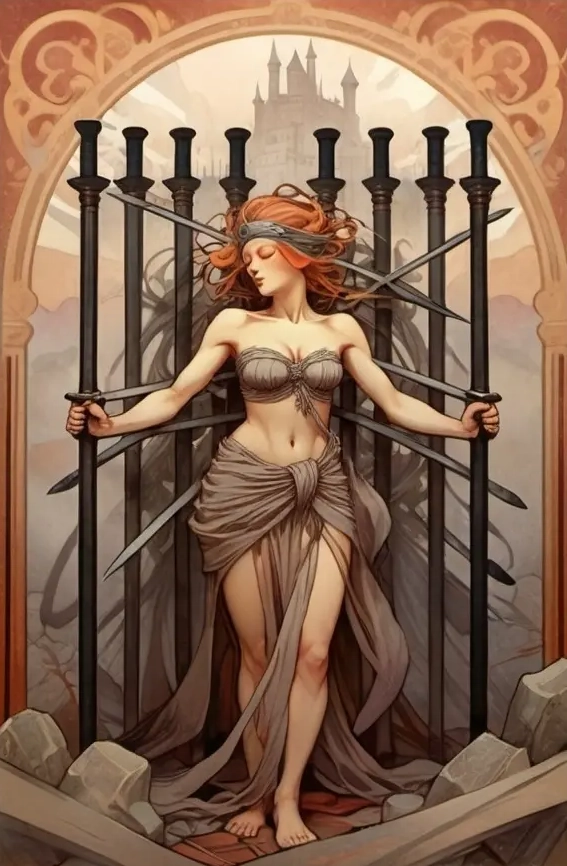
Release: Eight of Swords. A figure stands bound and blindfolded, surrounded by swords that leave more room to move than they appear to. This card often points to a self-imposed limit, a belief like "I always mess this up" or "I don't deserve rest" that has calcified into fact. The work is not fighting the swords. It is noticing the blindfold can come off.
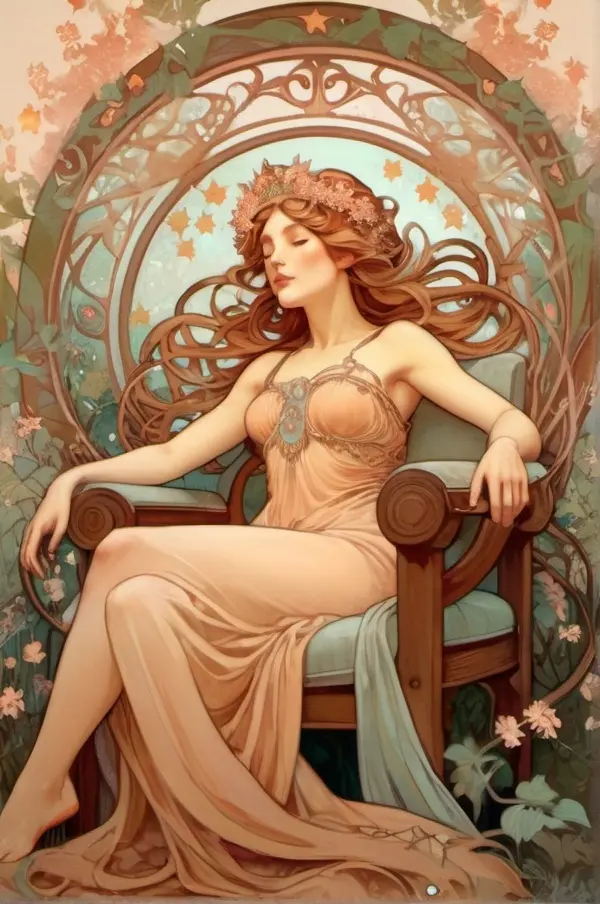
Nurture: The Empress. She sits in abundance, unhurried, at ease with her own body and surroundings. In a self-love reading, the Empress usually names something plain and physical: sleep, food, a slower morning, a body you have been running on empty instead of caring for. She is a reminder that self-love is often less about a mindset shift and more about actual rest.
Strength: The Sun. Warmth, clarity, and confidence that does not need an audience to feel real. Landing in the third position, the Sun says the resource you can lean on is already yours: a native optimism, or a joy that survived even the hard year. You are not manufacturing confidence from nothing. You are remembering where you left it.
Read together, this draw might tell you: the story you have been telling yourself about being stuck (Eight of Swords) is looser than it feels, what actually helps right now is rest and plain physical care (Empress), and you already have a warmth in you that this whole process has not managed to put out (Sun). That is a usable answer, not a fortune.

Other cards worth watching for
Beyond the three above, one more card shows up often in tarot personal development readings and deserves its own mention.
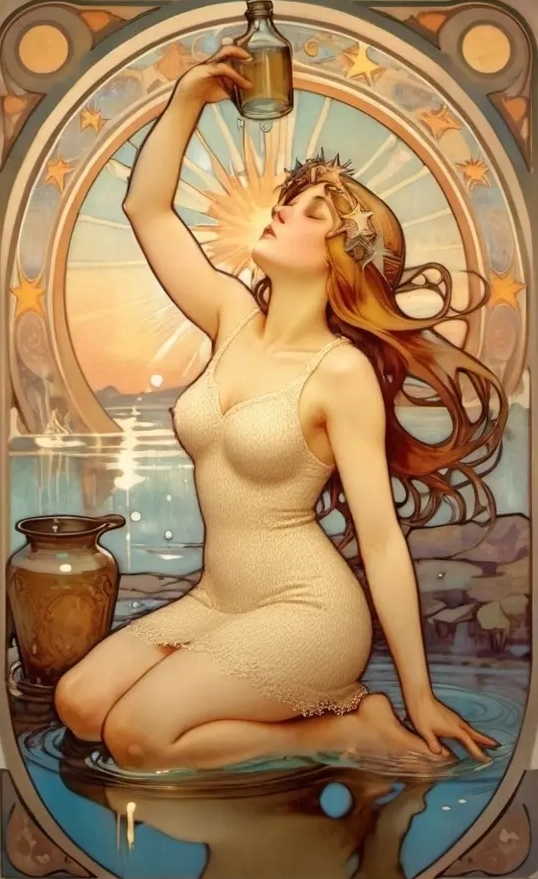
The Star tends to appear after a rough patch, a breakup, a loss, a period of burnout, or just a stretch of feeling small. She pours water calmly under an open sky, in no rush to prove anything. In a self-love spread, the Star usually means your sense of worth is not gone, it is rebuilding, and it does not need to happen all at once. If she shows up in your release or nurture position, take it as permission to heal at your own pace instead of forcing quick confidence.
Strength, the Empress, the Sun, and the Star tend to travel together in this kind of reading, and none of them ask you to be a finished project. Strength is patience with your own rough edges. The Empress is the reminder to actually rest. The Sun is the confidence that was already yours. The Star is proof that worth comes back even after it felt gone for good.
A journaling prompt to carry forward
A reading is more useful with something to do afterward. Once you have pulled your three cards, write for five minutes on one of these:
- Finish the sentence "I am allowed to..." three different ways.
- Name one boundary you can set this week, even a small one.
- Write down one moment this month where you already showed the strength your third card is naming.
You do not need to solve anything in one sitting. The point of a self-love tarot reading is to notice, not to fix everything before you close the notebook.
Where TarotGo fits in
Self-love is not a single reading you finish and file away. It is closer to a practice with its own seasons, something the guide on tarot practice through seasons and cycles covers well if you want the longer view. Some weeks the cards will ask you to rest. Others they will ask you to act.
TarotGo is built for that kind of return: quick spreads, card meanings you can actually study, and a place to come back to when you want honesty about yourself rather than a verdict about someone else. Pull the three cards above when you want to check in with your own growth, and let the cards tell you what to tend to next, not what someone else thinks of you.