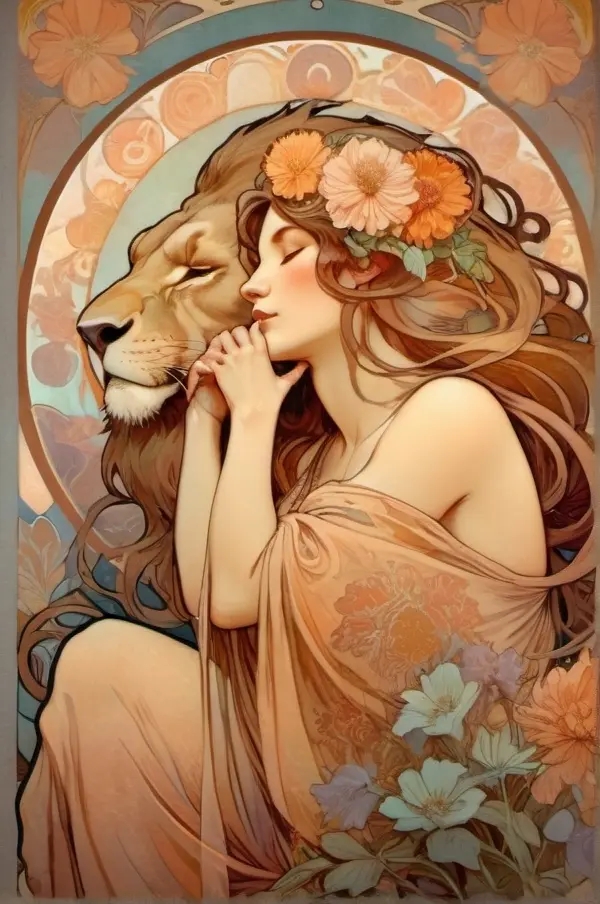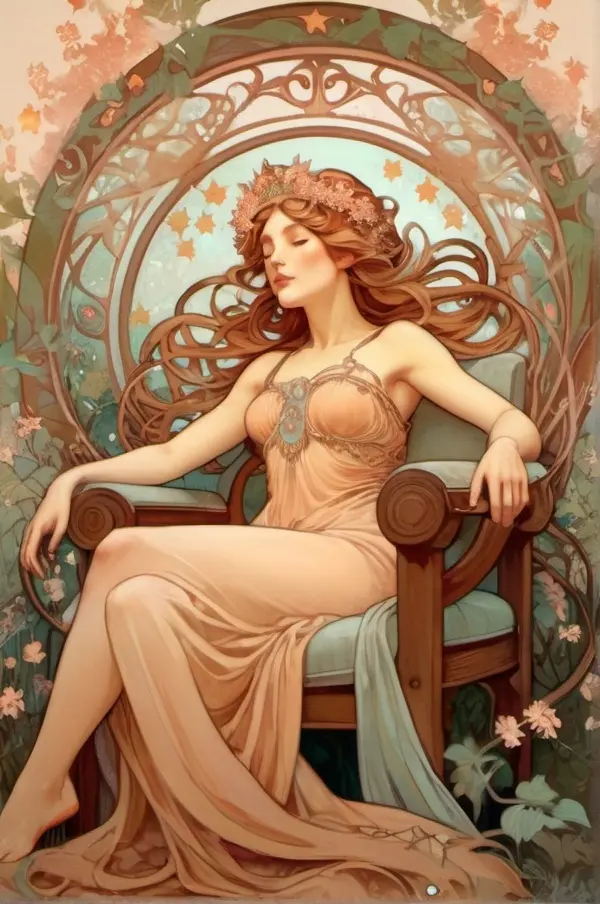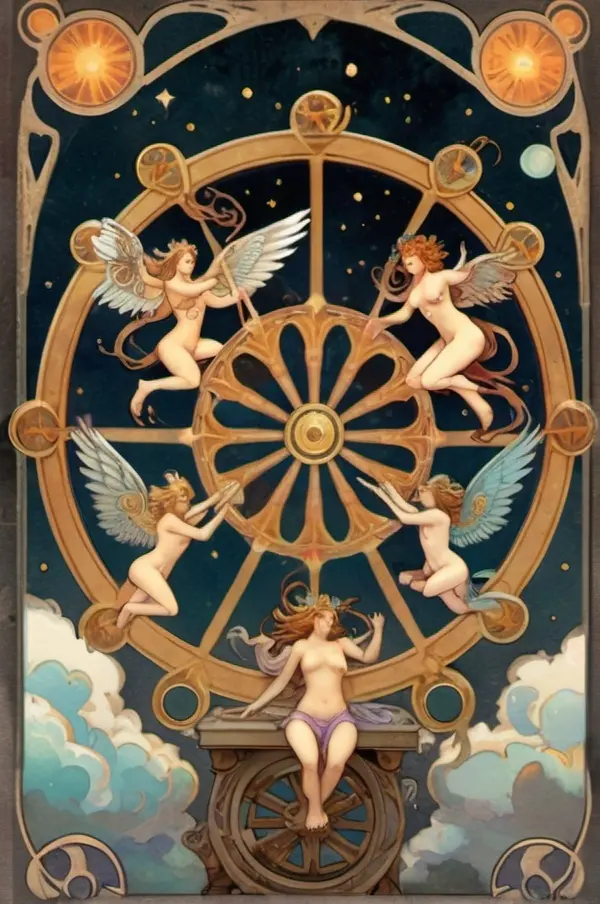
Picking a first deck is the moment tarot stops being an idea and turns into an object on your table. How to choose a tarot deck sounds like it should have one clean answer, but it does not. What actually matters is a short list of concrete decisions: the art style, whether the minor arcana cards show full scenes or just abstract pips, the size and stock of the cards in your hand, whether you want a guidebook in the box, and how many decks you truly need before you start reading. This guide walks through each one so your first deck ends up in daily use instead of a drawer.
You do not need a rare deck, and you do not need someone else's favorite deck either. Different readers respond to different art. You need cards your eyes actually want to return to.

What Rider-Waite-Smith style means, and why it is everywhere
Most decks sold today, and most decks people mean when they search for the best tarot deck for beginners, trace back to one source: the deck illustrated by Pamela Colman Smith in 1909 for A.E. Waite, usually called Rider-Waite-Smith or RWS. Its innovation was simple and it changed the whole genre. Instead of leaving the forty minor arcana cards as plain arrangements of cups, swords, wands, or coins, Smith drew a small scene on every single one. The Three of Swords is not just three swords stacked in a pattern, it is a heart pierced under a gray sky. The Ten of Cups is a couple with their arms raised under a rainbow while children dance nearby.
That choice is why RWS-style decks became the default teaching tool. A picture gives you something to read even before you know any keywords. Every major reprint, every modern indie deck with softer colors or a different cultural lens, and TarotGo's in-app deck all borrow this same visual grammar: illustrated minors, recognizable poses, symbols repeated card to card so patterns emerge on their own. When people say a deck is "beginner friendly," they usually mean it follows this tradition closely enough that you can guess at meaning just by looking.
There are other systems, and they are worth knowing about even if you skip them for now. Marseille-style decks, the older French tradition, keep the minor arcana as geometric pip cards, four swords arranged one way, five arranged another. Some modern decks trade RWS symbolism for pure abstraction or a completely different mythology. Both can be rewarding once you already read tarot. Neither is where most people should start.
Illustrated minors versus pip cards
This is the single biggest fork in tarot deck types, and it deserves more attention than most beginner shopping guides give it.
A deck with fully illustrated minors teaches you as you use it. You look at the Nine of Swords and see a figure sitting up in bed at night, hands over their face, swords mounted on the wall behind them. You do not need to have memorized "anxiety, sleeplessness, worst case thinking" to feel something from that image. The picture does half the interpretive work before you open a book.
A pip-style deck, where the Nine of Swords is just nine swords arranged in rows, asks more of you upfront. You are reading number and suit symbolism directly: nine as a late stage, swords as mental and verbal energy. That is a legitimate and old way to read tarot, and some experienced readers prefer it because it leaves more room for their own intuition instead of an artist's specific scene. It is just a harder entry point, because there is no story to notice, only a pattern to decode.
If you are teaching yourself, choose illustrated minors. The habit worth building early, reading the picture before you reach for a keyword, only works if there is a picture to read. That single decision (illustrated versus pip) will shape how fast the deck starts to feel readable in your hands.
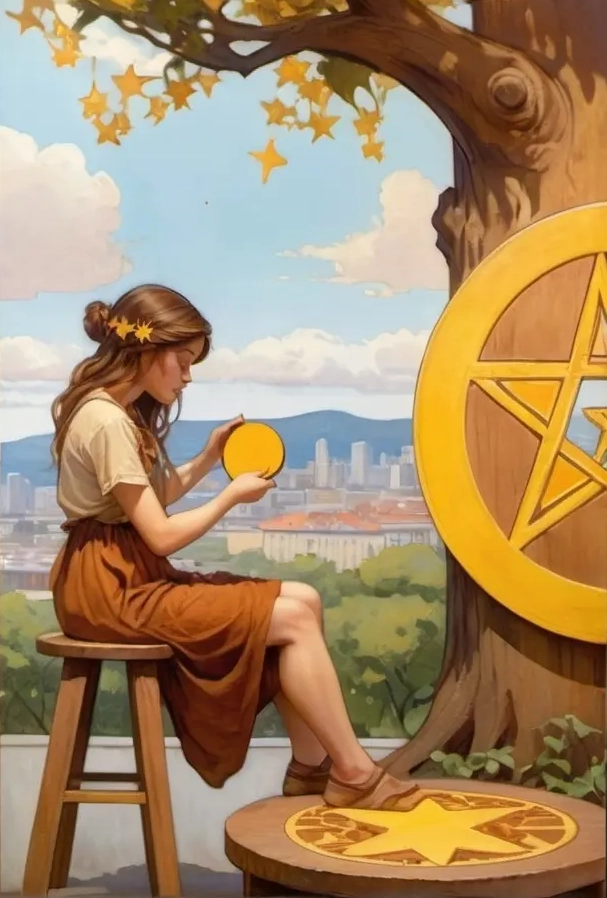
Deck size, card stock, and finish
These details sound minor until you are actually shuffling, and then they decide whether you enjoy the physical act or fight it every time.
Standard tarot cards run larger than playing cards, close to 2.75 by 4.75 inches. If your hands are small or you plan to riffle shuffle rather than pile shuffle, look for a deck marked "small size" or "compact," which some publishers now offer alongside the standard edition. Oversized decks with bigger art are gorgeous on a table and painful to shuffle without dropping half of them.
Card stock is the other variable people underrate. Thin, flexible cardstock shuffles easily but wears at the corners fast, especially with daily use. Thick cardstock feels sturdy and lasts, but can be stiff and awkward for anyone with smaller hands or less shuffling experience. A glossy laminate finish resists fingerprints and spills but can feel slick, sometimes to the point of cards sliding out of a loose overhand shuffle. Matte finishes grip better and photograph less shiny if you plan to share pulls online.
None of this shows up clearly in a product photo. If you can, hold a deck in a shop before buying, or check reviews that specifically mention stock and finish rather than just the art.

Should you buy a deck with a guidebook
Most modern decks ship with a small companion book, often called the LWB (little white book), giving one to three sentences per card, sometimes for both upright and reversed. A handful of decks are sold with a full-length companion book instead, going deeper into the artist's symbolism and the reasoning behind unusual choices.
A guidebook is genuinely useful as a second check, something to compare your own read against after you have already looked at the image and written down what you noticed. It becomes a problem only if you flip to it first every time, before you have let the picture speak. If you know that is your habit, either buy a deck without one, or make yourself a small rule: describe the scene in one sentence before you open the booklet. For a broader reference once you are past the deck-specific book, tarot card meanings covers the full seventy-eight cards in the RWS tradition that most guidebooks build on anyway.
How many decks does a beginner actually need
One. That is the honest answer, and it surprises people who assumed collecting was part of the practice.
A single deck, used regularly, teaches you its symbolism far faster than three decks used occasionally. Every time you switch decks, you are re-learning how that particular artist draws grief, or celebration, or a difficult choice, and the pattern recognition you were building resets a little. Give one deck a real season, several weeks of regular pulls, before you even consider a second.
The collecting itch is real and mostly harmless later on, once you already read fluently and want a deck that matches a mood or a specific kind of question. Early on, it mostly just delays the actual skill, which is looking closely and thinking clearly, not owning more cardboard.
Practicing daily inside an app like TarotGo is a genuinely low-friction way to build that skill before or alongside buying your first physical deck. The art stays consistent, the card is always clear and well lit, and there is nothing to shuffle badly or drop. Pulling one card each morning in the app and writing a line about what you notice builds the same muscle a physical deck will ask of you later, without the upfront cost of guessing wrong on a deck you will not enjoy.
Signs a deck's art is not clicking, and why switching is fine
Sometimes you follow every piece of advice here and the deck still sits unused. That is information, not failure.
Watch for a few honest signs. You keep avoiding certain cards because the art feels unpleasant rather than meaningfully uncomfortable. The court cards feel like strangers no matter how many times you pull them, because the faces or styling do not read as people to you. You reach for a different deck, or the app, whenever a question actually matters, and only use the "official" deck out of guilt. The scenes stop suggesting anything after a few weeks, which usually means the artist's visual language and your own do not overlap much.
None of that means you are bad at tarot. It means that particular artist's choices are not the ones your intuition wants to work with, and that is fine. Pass the deck along, keep it as a shelf piece, or simply retire it, and try a different one. There is no loyalty requirement in this hobby.

A short decision checklist
- Start with an RWS-style deck, or a system close enough to it that the imagery is recognizable
- Confirm the minor arcana cards are fully illustrated, not abstract pips, if you are teaching yourself from scratch
- Pick a card size your hands can actually shuffle without fighting it
- Choose a cardstock that bends without feeling flimsy, and a finish you like the grip of
- Get a guidebook if you like structure to compare notes against, skip it if you would rather trust your eyes first
- Buy one deck, use it for real, and only shop for a second once you feel pulled toward a specific artist's work
Where TarotGo fits in
You do not need to have a deck decided before you start learning. TarotGo lets you pull cards in the app with the same illustrated, RWS-rooted art style described above, so you can build the habit of reading a picture before a keyword long before a physical deck arrives in the mail, or right alongside it once it does.
How to choose a tarot deck comes down to a handful of honest questions: does the art hold your attention, are the minors illustrated enough to teach you something, does the size and stock feel good in your hands, and do you actually use it. Answer those and you have your deck. Everything else is preference, and preference is allowed to change.