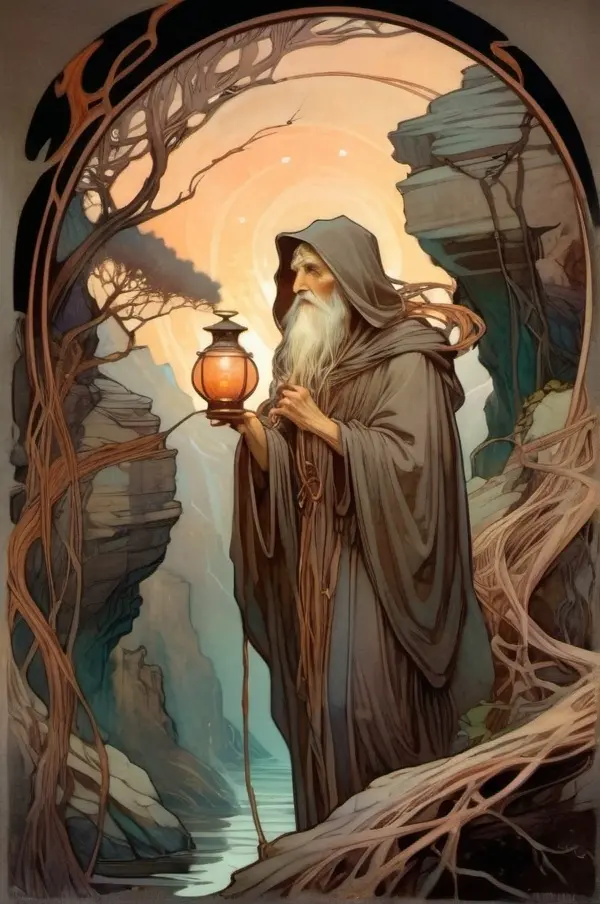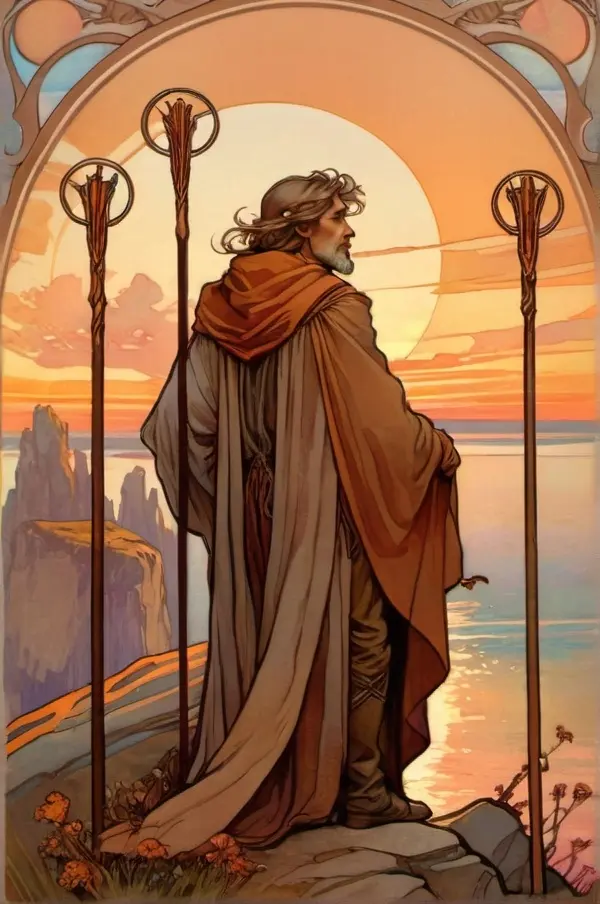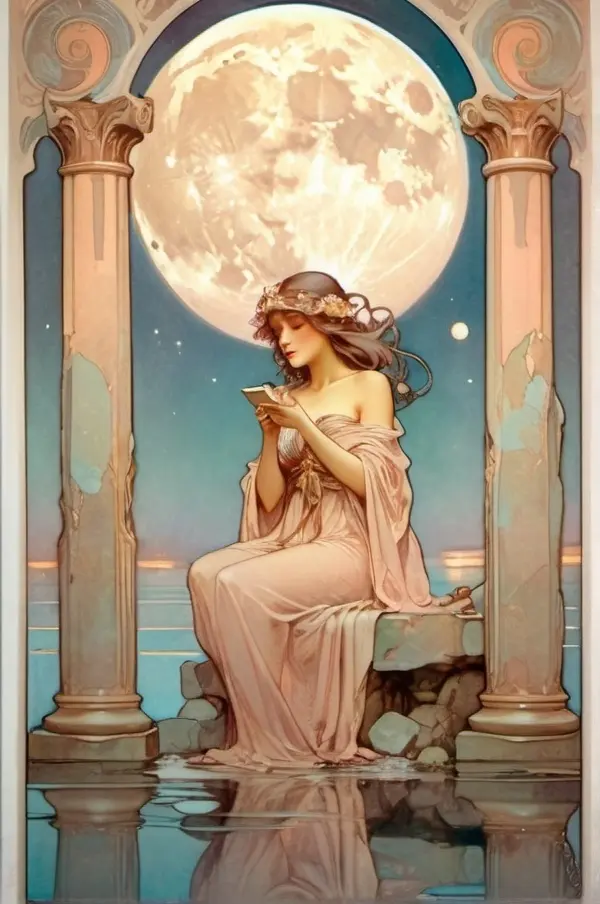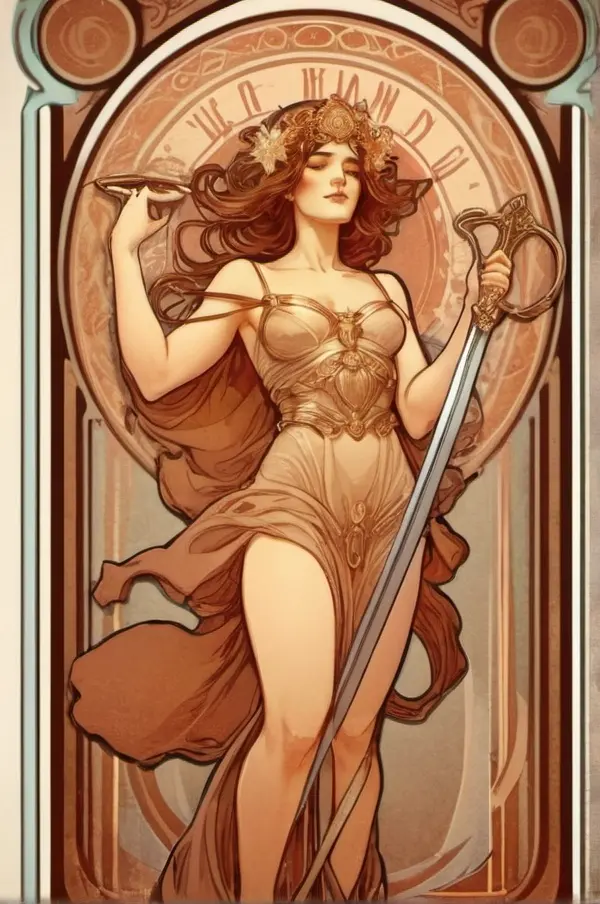
A Page in tarot is the deck's youngest court card and, in most spreads, its clearest sign that something is just starting. Pull a Page and you are usually looking at news that has not fully landed yet, a skill still being learned, or a person (often literally young, sometimes just new to the role) who has not been tested yet. That is the short version of tarot pages meaning. The rest of this guide breaks it down suit by suit so you can tell the difference between a Page of Cups tender confession and a Page of Swords stray comment overheard in a hallway.
There are four page cards in tarot: Cups, Wands, Swords, and Pentacles. Each carries the same "new and forming" energy, colored by its suit. Below you will find what each one means upright and reversed, how to tell a Page-as-message from a Page-as-person, and how Pages differ from their faster, more committed neighbors, the Knights.
What Tarot Pages Mean in a Reading
In a spread, a Page usually points to one of three things:
- News or an early signal. A message, an opportunity, or information that has not fully arrived yet.
- Learning by doing. A skill, project, or role still in its beginner stage.
- A person new to the situation. Someone (of any age) who is inexperienced in whatever the suit governs.
The tone is exploratory, not final. A Page is a scouting report, not a verdict. If you want the full map of how Pages sit next to Knights, Queens, and Kings, the guide on tarot court cards meaning lays out the whole rank system. For where Pages fit among the other fifty-five minor arcana cards, minor arcana meanings is the wider reference.
Pages as Messengers: The Mercury Thread
Readers who also follow astrology often notice that Page energy rhymes with Mercury: young, quick, verbal, a little restless. Mercury governs messages, short trips, and rumor control, which lines up neatly with how tarot pages as Mercury messengers tend to behave in a reading. You do not need a strict one-to-one link between tarot and astrology for the overlap to be useful. It just names a tone: mental agility, mixed signals, and the occasional exactly-right fact that lands at the right moment.
If loose correspondences help you, some readers group the suits with Mercury expressed through the four elements: Pentacles through earth (slow, physical proof), Wands through fire (sparks and pitches), Cups through water (intuition and subtext), and Swords through air (debate and sharp clarity). Treat that as a memory aid, not a rulebook. Your deck's own pattern matters more than any table.
The Four Pages, One at a Time
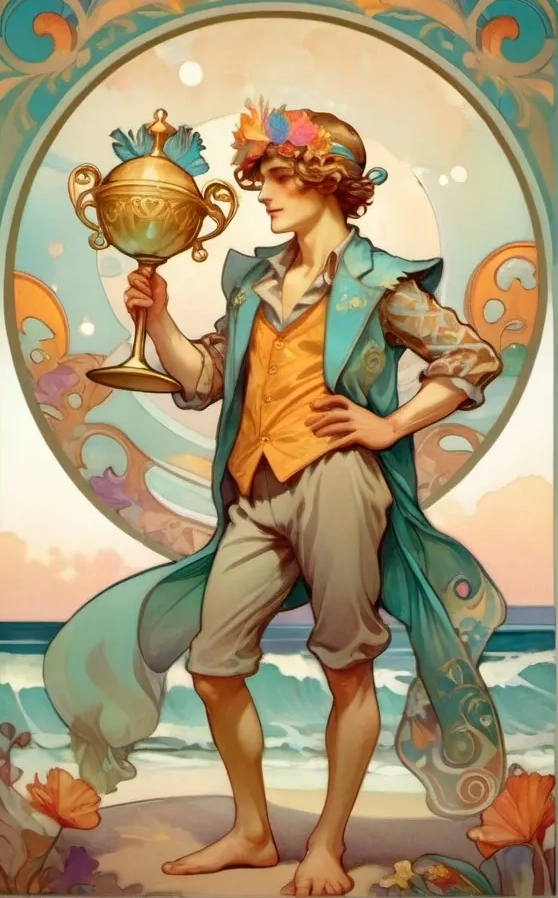
Page of Cups meaning
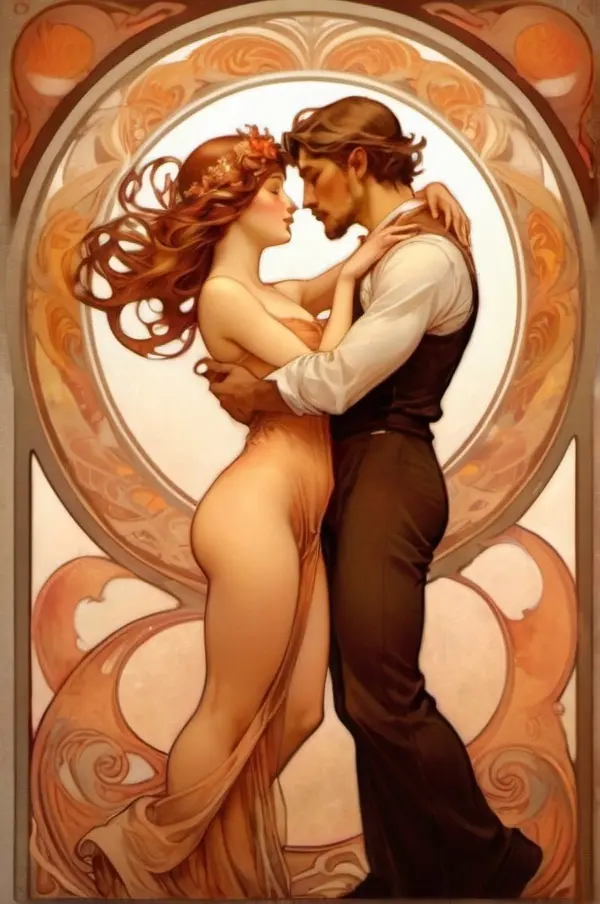
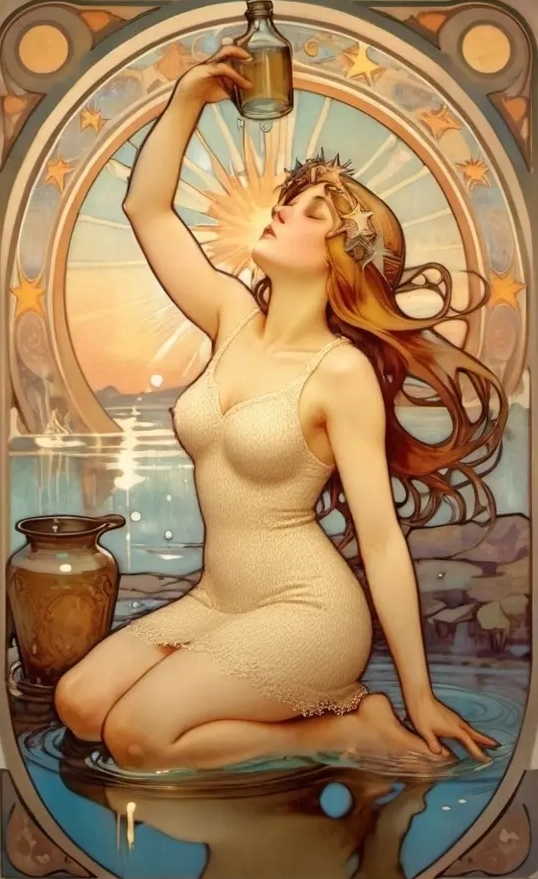
The Page of Cups meaning centers on an emotional message that has not fully found its words yet. Upright, it often shows a tender confession on its way, a creative idea born from feeling rather than logic, or a person testing whether it is safe to be open. In a love reading, it can mean someone is warming up to you but has not said so out loud. It is a strong companion card if you are working through the question in is he thinking about me tarot, since Page-of-Cups energy often means the thinking is real but still private.
As a person, this Page is imaginative, sensitive, and sometimes moody, the type who feels first and explains later. Reversed, it usually points to guardedness instead of openness: a feeling held back out of fear, emotional immaturity, or a message that got swallowed instead of sent. It can also flag creative block, where the idea is there but the nerve to share it is not.
Page of Wands meaning
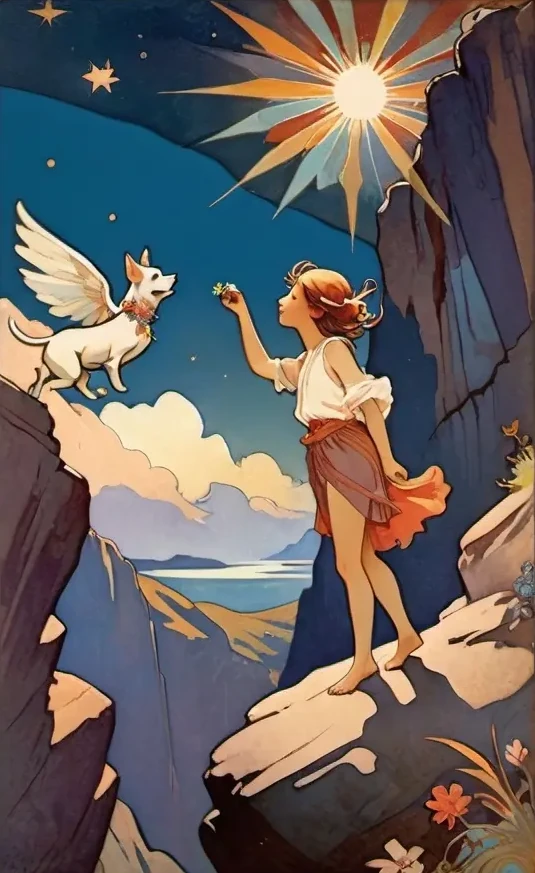
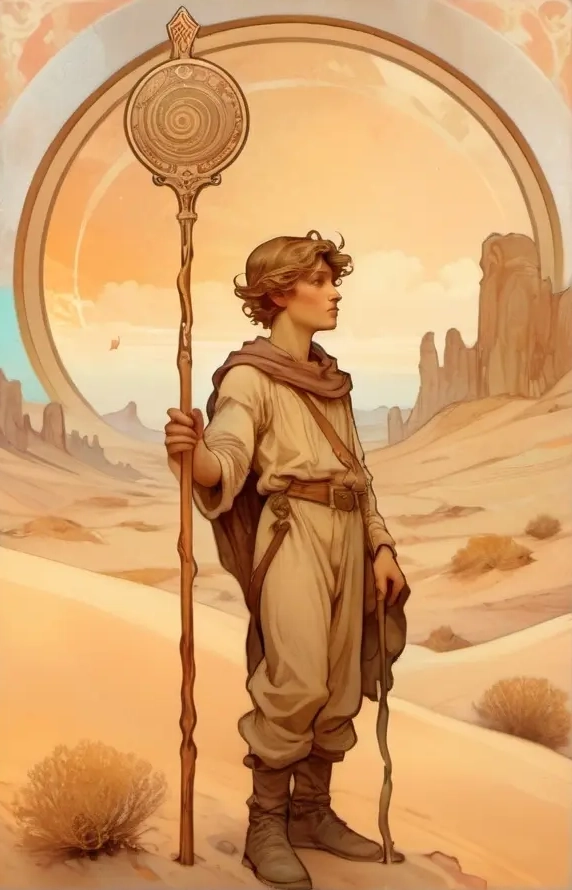
The Page of Wands meaning is enthusiasm before proof. Upright, this card marks a fresh spark: a project you cannot stop thinking about, a bold idea, a burst of creative or entrepreneurial energy that has not been road-tested yet. It often shows up when you are excited about a plan you have not fully built, or when someone else is pitching you something with more passion than detail.
As a person, this Page is impulsive, curious, and a little scattered, the friend who texts you a new business idea at midnight. Reversed, the spark stalls. It can mean hesitation before a bold move, an idea that stays all talk and no follow-through, or restlessness that never picks a lane. If a Page of Wands reversed keeps appearing, the honest question is usually "what am I excited about but not actually doing."
Page of Swords meaning
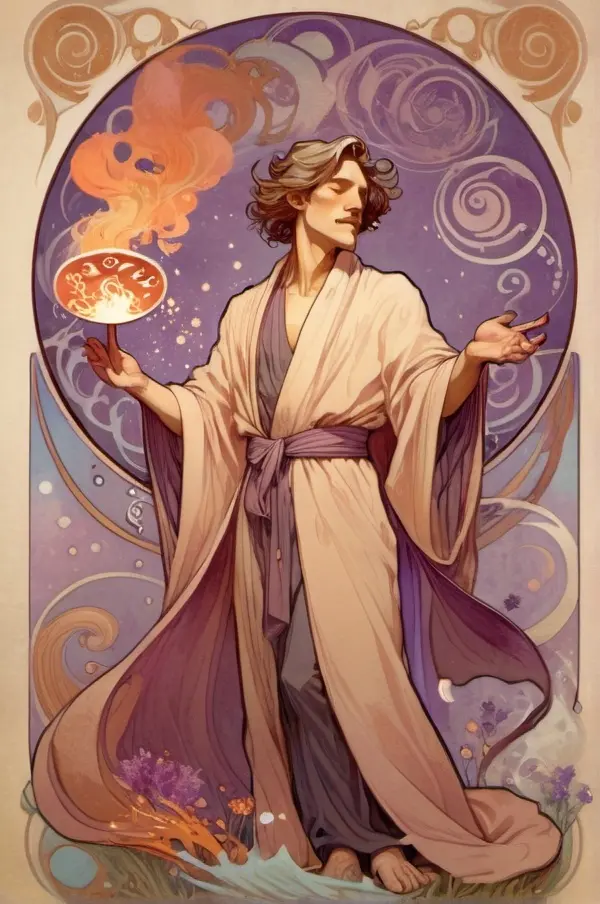
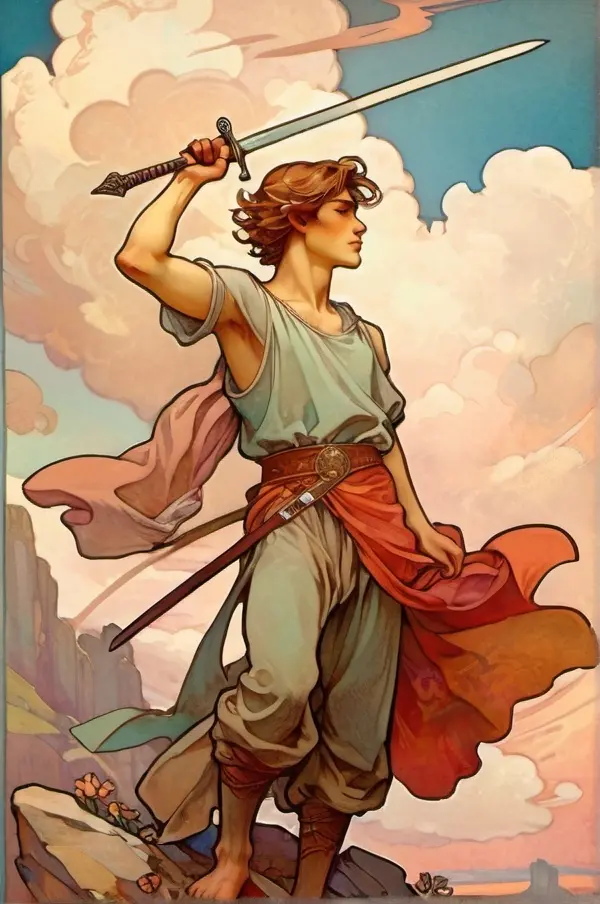
The Page of Swords meaning is information in motion, for better or worse. Upright, it points to curiosity, a sharp question, news you overheard rather than were told directly, or a debate that is sharpening your thinking. This Page is quick-witted and watchful, the one who notices details other people miss. It is a common card when you are gathering facts before you decide anything, and it rewards a habit of checking sources before repeating them.
As a person, this Page is alert, talkative, and sometimes a little too eager to have the last word. Reversed, it tends to mean miscommunication: a message read wrong, gossip mistaken for fact, or overthinking that turns a small comment into a spiral. When this card lands reversed, it is worth asking what you assumed instead of confirmed.
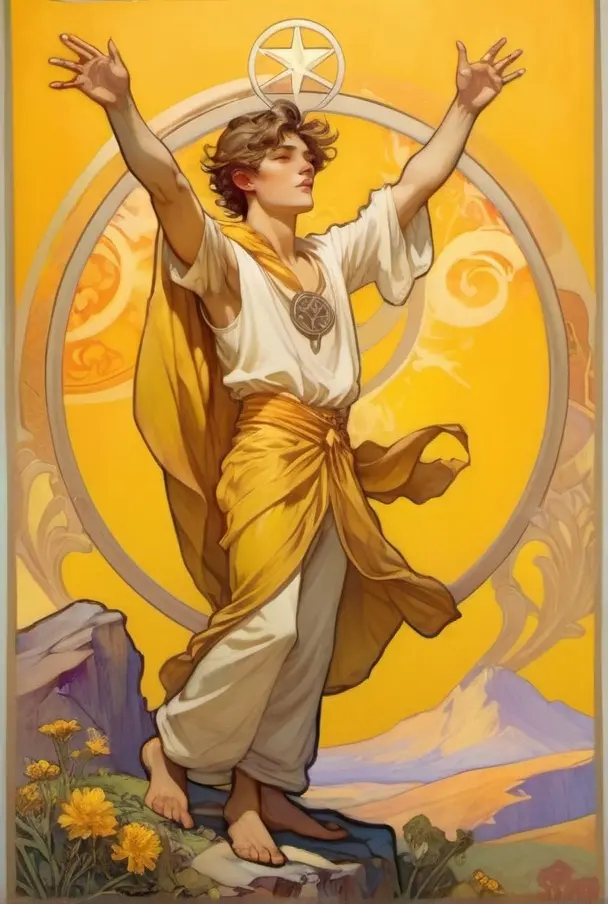
Page of Pentacles meaning
The Page of Pentacles meaning is practical news, the kind that shows up as an opportunity rather than a feeling. Upright, this card often marks the start of a job, a course, a budget, or a project that rewards patience and small, steady effort. It is the most grounded of the four Pages, more interested in doing the homework than in the applause afterward. In career or money questions, it frequently signals that the groundwork is more important right now than the outcome.
As a person, this Page is careful, curious, and willing to learn slowly, the student who actually reads the manual. Reversed, it tends to mean procrastination, a plan built on unrealistic numbers, or distraction that keeps pulling attention away from the actual work. It can also flag a missed practical detail, the kind of thing a second look would catch.
Pages as People, Pages as Messages
A Page can point to two different things and it helps to know which one you are looking at.
As a message or opportunity, the Page is impersonal. It is describing a piece of news, an early-stage situation, or a chance still forming, not a specific human being. This is the more common read when a Page shows up next to cards about events, timing, or decisions rather than relationships.
As a person, a Page describes someone's role or personality more than their literal age, though it often does line up with someone younger or newer to a situation. A Page of Cups can be a sensitive teenager or a fifty-year-old who is emotionally new to vulnerability. A Page of Pentacles can be a first-year employee or a retiree starting a hobby from scratch. What matters is the beginner energy, not the birth certificate.
When you are not sure which reading applies, look at the cards around it. Cards about timing, news, or circumstances usually mean "message." Cards about relationships, especially other court cards, usually mean "person."
Pages vs Knights: How Urgency Changes the Read
Pages and Knights share a suit's flavor but not its speed. A Page is still gathering information and has not committed to a direction. A Knight already has, and is moving hard toward it. If a Page of Swords is a question forming, a Knight of Swords is an argument already in progress. If a Page of Cups is a feeling not yet spoken, a Knight of Cups is a romantic gesture already made.
That difference matters when you are timing a reading. A Page usually means "not yet, still early." A Knight usually means "already in motion, whether you are ready or not." The full breakdown of how all four court ranks compare, Page through King, lives in the tarot court cards meaning guide, which is worth reading alongside this one if a Knight and a Page keep showing up in the same spread.
Greenhorns on Purpose
Pages are rookies by design, and that matters when you are deciding how much weight to give one. A Page carries sincerity and inexperience in the same backpack. The message can be earnest and still be half-baked. Kenneth Parcell from 30 Rock is a useful shorthand here: a literal page, endlessly asking questions, shuttling odd requests between powerful people, insisting "the message must go through" even when the message makes no sense yet. He is not foolish, he is entry-level in a world that is not. That is roughly the emotional register a Page card is asking you to hold.
Reading a Page Without Overtrusting It
When a Page appears, take the news, then check the channel it came through. Pages are messengers and beginners at the same time, which means they can pass along something crooked without meaning to. They can speak from excitement instead of from confirmed fact. That is the honest version of the old Mercury trickster reputation.
None of this means you dismiss a Page. It means you treat the card as an alert worth following up on, not a closed case. Ask who benefits from the message being true, what is still unconfirmed, and what a grown-up follow-up question would sound like. At their best, Pages deliver exactly the right nudge at the right time: a name you needed, a class worth taking, a conversation worth restarting.
Try It: A Simple Page Draw
- Pick a life area tied to a suit (Cups for feelings, Wands for creative projects, Swords for decisions and information, Pentacles for work and money).
- Place that suit's Page in front of you as the starting point of the question.
- Draw one more card without looking first.
- Name the message in one sentence: what is the news, what still needs confirming, what is the smallest next step.
If you finish the draw with a sharper, smaller question than the one you started with, the Page did its job. For more ways to build a habit like this, the guide on tarot card meanings is a solid next stop, and a short daily tarot reading is an easy place to practice reading one card at a time before you build up to full spreads in the TarotGo app.